🌿 Plants for Inside Office: Best Indoor Plants and Placement Ideas
Published: 20 Aug 2026
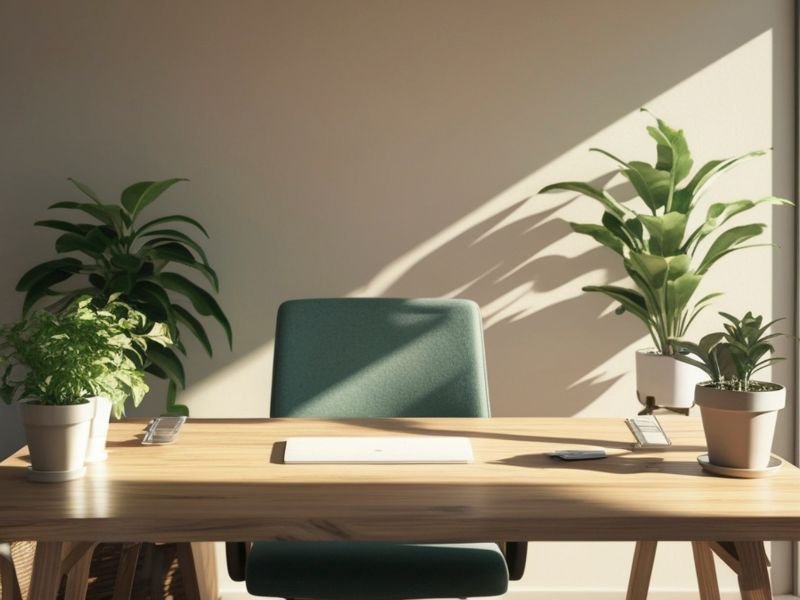
Adding plants for inside office spaces is one of the simplest ways to bring natural greenery into a workplace. A few carefully selected plants can make an office feel more welcoming, attractive, and comfortable without requiring major changes to the interior.
Plants can be used in many different parts of an office, including desks, shelves, windowsills, reception areas, meeting rooms, and empty corners. The right choice depends on how much natural light the office receives, how much space is available, and how much time you can spend caring for the plants.
If your workplace has large windows, you can choose from a wider variety of indoor plants. If it has limited light or no windows, you can still grow suitable plants by choosing low-light-tolerant species and, when necessary, using artificial grow lights.
This guide explains the best plants for inside office, where to place them, which plants work well in low-light conditions, and how to keep them healthy.
🪟 Plants for Office With Windows
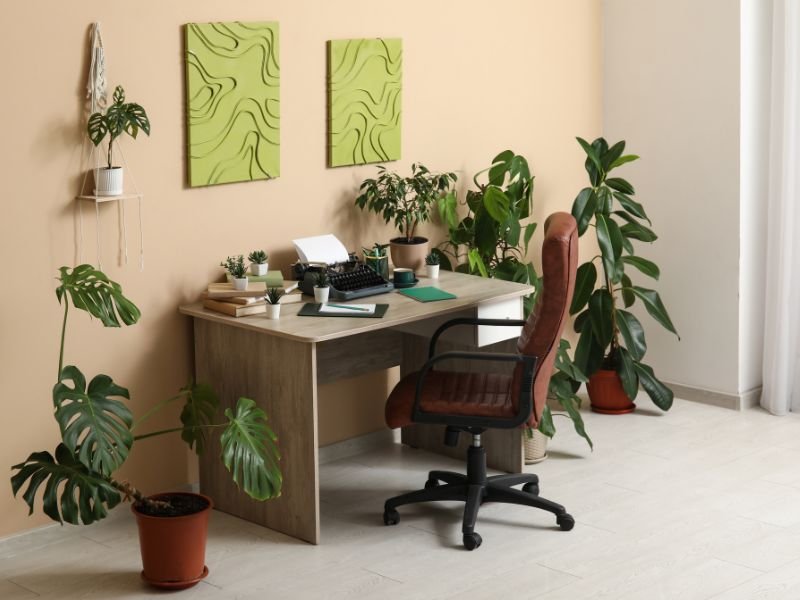
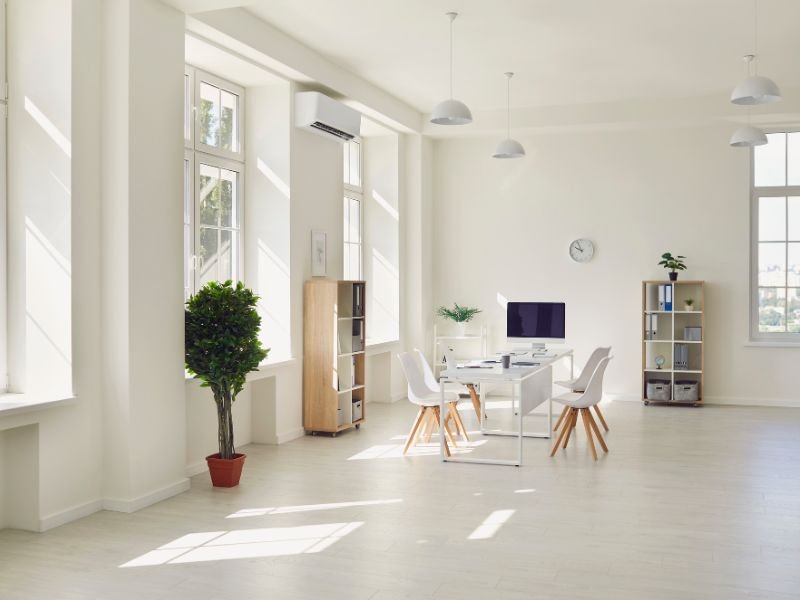
Offices with windows usually provide better opportunities for growing indoor plants because natural daylight is available. However, not every window provides the same amount of light.
Plants for office with windows should be selected according to the intensity of light available. A bright south-facing window can provide very different conditions from a shaded window or a window blocked by nearby buildings.
🌿 1. Plants Near Bright Windows
Plants that need brighter indirect light can often be placed near suitable windows. However, placing a plant directly against a window is not always the best option.
Strong direct sunlight through glass can sometimes scorch sensitive leaves or cause excessive heat around the plant. If sunlight is intense, a sheer curtain can help filter the light.
Before placing plants near a bright window, observe how much direct sunlight enters the room throughout the day.
🪴 2. Plants for Filtered Light
If your office windows have blinds, curtains, or nearby buildings that block strong sunlight, the area may receive filtered or indirect light.
This type of environment can be suitable for many common office plants. Pothos, snake plants, ZZ plants, and other adaptable houseplants can be considered depending on the actual light level.
Filtered light can also be useful when you want to protect plants from harsh direct sunlight.
🌱 Observe Your Office Light
Do not choose a plant simply because a window is present. Spend a day observing how the light changes in your office.
Notice whether sunlight reaches the plant directly, whether the area remains bright throughout the day, or whether the window is heavily shaded.
Choosing a plant according to the actual lighting conditions will make long-term care much easier.
🌱 Easy Indoor Plants for Office
If you have a busy work schedule, easy indoor plants for office spaces can be a practical choice. Office plants should ideally be able to tolerate normal indoor conditions without requiring constant attention.
Easy-care plants are especially useful when employees do not have much gardening experience.
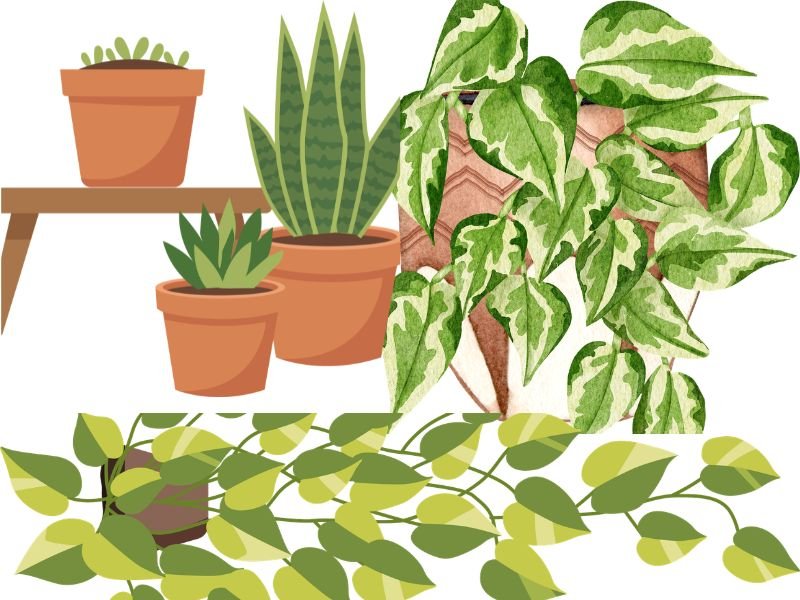
🌿 1. Snake Plant
Snake plants are popular indoor plants because of their upright leaves and adaptability to different indoor conditions.
They can tolerate lower-light areas and generally do not need frequent watering. Their vertical shape also makes them useful in offices where floor space is limited.
A snake plant can be placed beside a desk, near a cabinet, or in an empty corner.
🪴 2. ZZ Plant
ZZ plants are known for their attractive glossy foliage and ability to tolerate lower-light conditions.
They also store water in their underground structures, which helps them tolerate periods of dry soil. This makes them a practical option for busy workplaces where regular watering may sometimes be forgotten.
🌱 3. Pothos
Pothos is another popular office plant because it can grow in containers, shelves, hanging baskets, and other locations.
Its trailing stems can add a decorative effect to office shelves or cabinets. It can tolerate lower indoor light, although suitable indirect light generally supports healthier growth.
🌿 Why Choose Easy-Care Plants?
Easy-care plants are useful in offices because plant maintenance may not always be a priority during a busy workday.
A plant that requires watering every day or very specific environmental conditions may not be practical for a workplace.
However, “easy care” does not mean that a plant needs no care. Even low-maintenance plants require appropriate light, suitable watering, drainage, and occasional inspection.
🪴Best Plants for Inside Office
Choosing the best plants for inside office spaces requires more than simply picking the most attractive plant.
You should consider the amount of light, available space, temperature, humidity, watering routine, and the mature size of the plant.
Some popular choices include:
| Plant | Light Tolerance | Maintenance | Suitable Location |
|---|---|---|---|
| Snake Plant | Low to bright indirect | Low | Desk/corner |
| ZZ Plant | Low to bright indirect | Low | Desk/shelf |
| Pothos | Low to bright indirect | Low–moderate | Shelf/hanging |
| Spider Plant | Moderate indirect | Moderate | Desk/shelf |
| Cast Iron Plant | Low to moderate | Low–moderate | Office corner |
| Peace Lily | Low to moderate | Moderate | Office room |
🌿 Best Plants for Small Offices
Small offices need plants that provide greenery without taking over valuable workspace.
Small plants for inside office spaces can be placed on desks, shelves, windowsills, or compact plant stands.
Vertical-growing plants can also be useful because they take up less horizontal space.
🪴 Best Plants for Large Offices
Large offices have more room for floor plants, larger planters, and decorative plant arrangements.
A taller plant can fill an empty corner and create a visual focal point. However, large plants should never be placed where they block doors, walkways, emergency routes, or workplace equipment.
🌱 Choose Plants Based on Conditions
The most attractive plant is not necessarily the best plant for your office.
For example, a plant that requires bright sunlight may struggle in a dark interior office. Similarly, a plant that needs frequent watering may not be suitable for a workplace where nobody is responsible for regular care.
Always match the plant’s requirements to your actual office environment.
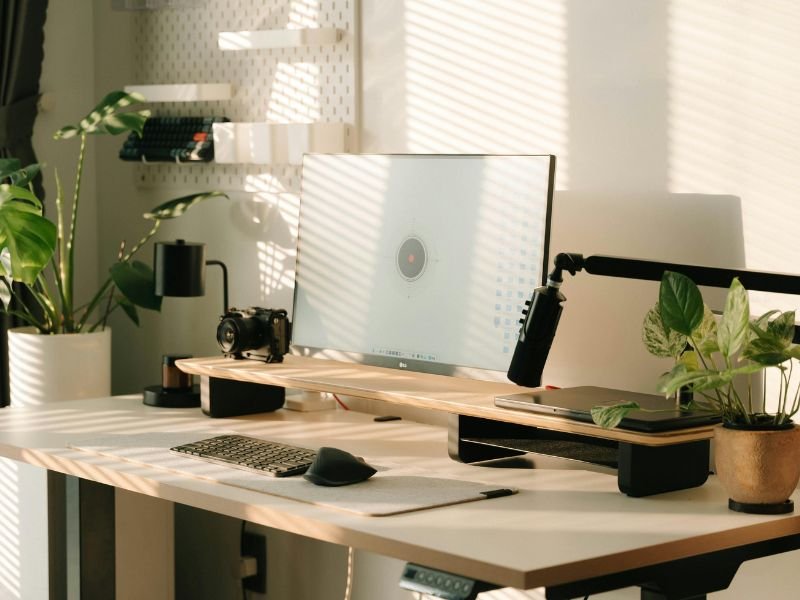
❓ What Is a Good Plants for Office?
If you are asking what is a good plants for office, there is no single answer for every workplace.
A good office plant is one that can grow under the available light, fits the available space, and matches the amount of care you can provide.
🌿 1. Good Plants for Beginners
Snake plants and ZZ plants can be good starting choices for beginners because they are generally adaptable and tolerate periods of dry soil.
They are also visually attractive and available in different sizes, making them suitable for both desks and larger office areas.
🪴 2. Good Plants for Desk Spaces
Small pothos, spider plants, compact snake plants, and small ZZ plants can work well on office desks.
The main goal is to choose a plant that does not interfere with your computer, documents, keyboard, or daily work.
🌱 Consider Your Maintenance Routine
Think honestly about how much care you can provide.
If nobody regularly checks the plants, choose varieties that are relatively tolerant of missed watering rather than plants with demanding care requirements.
A simple and realistic care routine is better than choosing a difficult plant that eventually becomes unhealthy.
🪴 Where to Hang Plants Indoors
Knowing where to hang plants indoors can help you add greenery without using valuable floor or desk space.
Hanging plants are particularly useful in small offices because they make use of vertical space.
🌿 1. Near Suitable Windows
Hanging plants can be placed near windows if the available light suits the plant.
Trailing plants such as pothos can look attractive when their stems hang naturally from a basket.
However, avoid placing plants in areas where strong direct sunlight could damage sensitive foliage.
🪴 2. Above Shelves
A hanging plant can be positioned near a shelf or cabinet to create a layered display.
The trailing foliage can add softness to an office that contains many straight lines from desks, shelves, and cabinets.
🌱 3. In Empty Corners
Hanging plants can also be used in suitable empty corners where there is enough light.
This allows you to decorate an unused vertical area without adding another large object to the floor.
⚠️ Check Safety Before Hanging Plants
Safety should always come first when hanging plants indoors.
Make sure the hook, bracket, ceiling attachment, and hanging system are strong enough to support the planter and wet soil.
Avoid hanging plants directly above computers, important documents, electrical equipment, or areas where dripping water could create problems.
🌿 Keep Plants Easy to Maintain
Do not hang plants so high that watering and inspection become difficult.
You should be able to safely check the leaves, remove damaged foliage, water the plant, and look for pests.
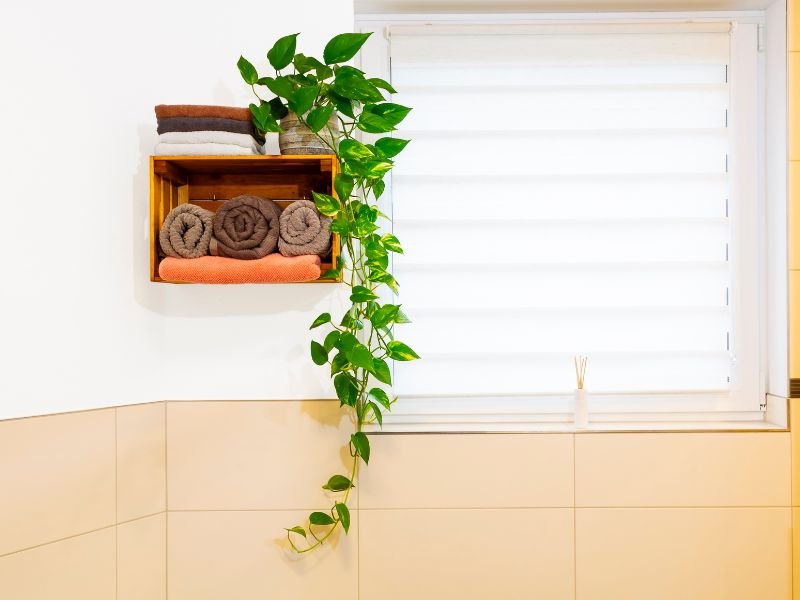
🌑 What Plants Can Grow in an Office With No Windows?
If you are wondering what plants can grow in an office with no windows, it is important to understand that plants need light for photosynthesis.
A completely windowless office may still support plants, but you will generally need an artificial light source suitable for plant growth.
💡 1. Use Artificial Grow Lights
A suitable grow light can provide additional light when natural daylight is unavailable.
The light should be positioned appropriately according to the type of plant and the manufacturer’s recommendations.
Artificial lighting can be particularly useful in interior offices, conference rooms, basements, or workplaces located away from windows.
🌿 2.Choose Low-Light Tolerant Plants
Snake plants, ZZ plants, pothos, and cast iron plants are commonly selected for lower-light indoor environments.
However, these plants are better described as tolerant of lower light rather than capable of growing in complete darkness.
🌱 Low Light Is Not the Same as No Light
This is an important distinction.
A low-light office may still receive some daylight from windows, glass doors, or other sources. A completely dark room provides no usable light for normal plant growth.
Therefore, plants for inside office without sunlight should still receive indirect daylight or appropriate artificial lighting.
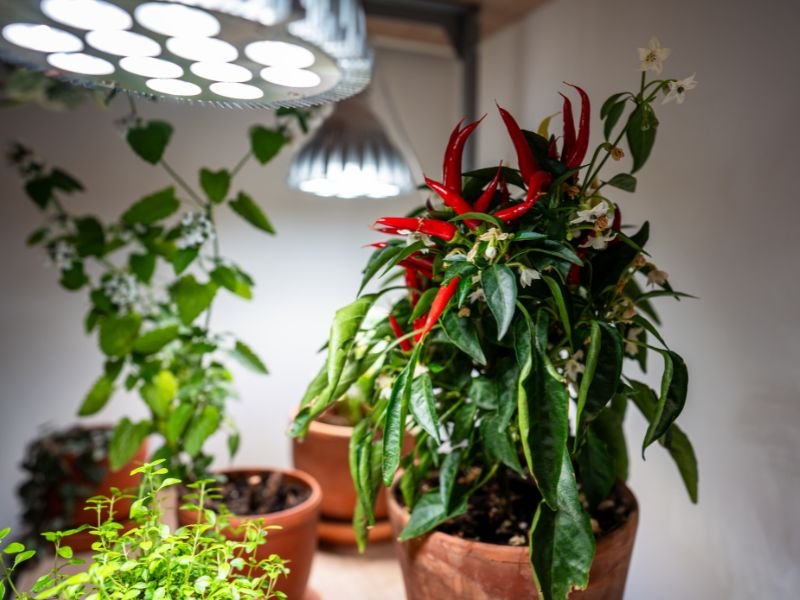
🌑 Plants for Inside Office With Low Light
Many workplaces have limited daylight because of small windows, shaded buildings, interior locations, or nearby structures.
Fortunately, several indoor plants can tolerate lower-light conditions.
🌿 1. Snake Plant
Snake plants are one of the popular choices for low-light office environments.
Their upright growth allows them to fit into corners and narrow spaces. They also generally tolerate periods of dry soil, which can make them convenient for busy offices.
🪴 2.ZZ Plant
ZZ plants can tolerate relatively low light and do not generally require frequent watering.
Their glossy leaves also provide an attractive decorative appearance, making them suitable for reception areas, desks, shelves, and office corners.
🌱 3. Pothos
Pothos can adapt to lower indoor light and is particularly useful when you want a trailing plant.
It can be placed on shelves or in hanging containers. Although it tolerates lower light, adequate indirect light generally supports stronger growth.
🌿 Watch for Signs of Low Light
Plants can show signs when their lighting conditions are unsuitable.
Weak or stretched growth, unusually small new leaves, or changes in the plant’s normal appearance can indicate that the plant may need a brighter location.
Do not immediately assume that watering is the problem. Check the light as well.
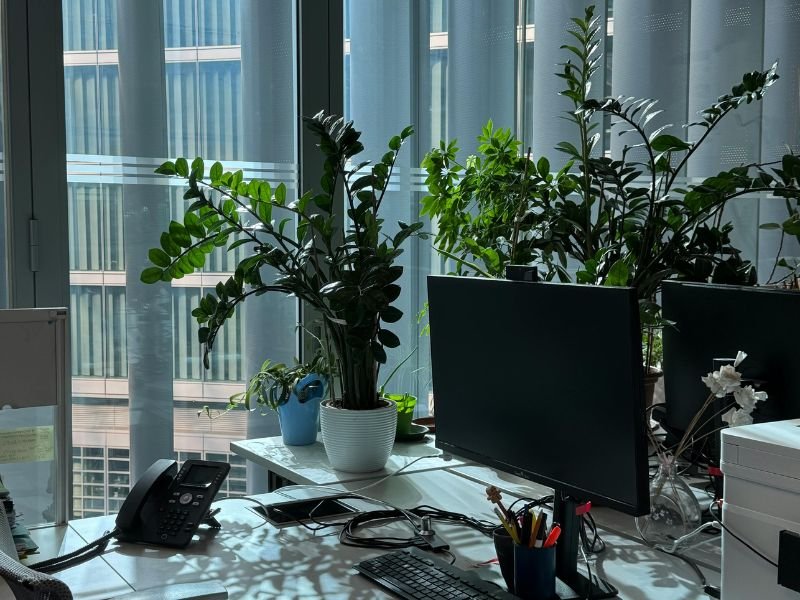
☀️ Plants for Inside Office Without Sunlight
If your office receives no direct sunlight, that does not necessarily mean you cannot have plants.
Plants for inside office without sunlight can grow when they receive enough indirect light or suitable artificial lighting.
🌿 1. Use Indirect Light
An office does not need direct sunbeams for every plant.
Some plants can grow with bright or moderate indirect daylight. The important thing is to provide a level of light that matches the plant’s needs.
💡 2.Add Supplemental Lighting
If natural light is extremely limited, supplemental grow lighting can provide the necessary light for plant growth.
This is particularly useful for offices located far away from windows.
🪴 Avoid Completely Dark Corners
Do not place plants in completely dark corners and expect them to remain healthy without an additional light source.
If a plant is kept in darkness for an extended period, it will eventually struggle because it cannot photosynthesize normally.
🏢 Plants for Inside Office Rooms
Different plants for inside office rooms can be selected according to the purpose and size of each room.
A private office may need small plants, while a reception area may have enough space for larger greenery.
🌱 1. Private Office
Small plants can be placed on desks, shelves, cabinets, or windowsills.
A small snake plant or pothos can add greenery without taking up much space.
🌿 2. Meeting Room
A medium-sized plant can add natural decoration to an empty corner of a meeting room.
However, avoid placing plants where they block chairs, walking areas, doors, or visibility.
🪴 3. Reception Area
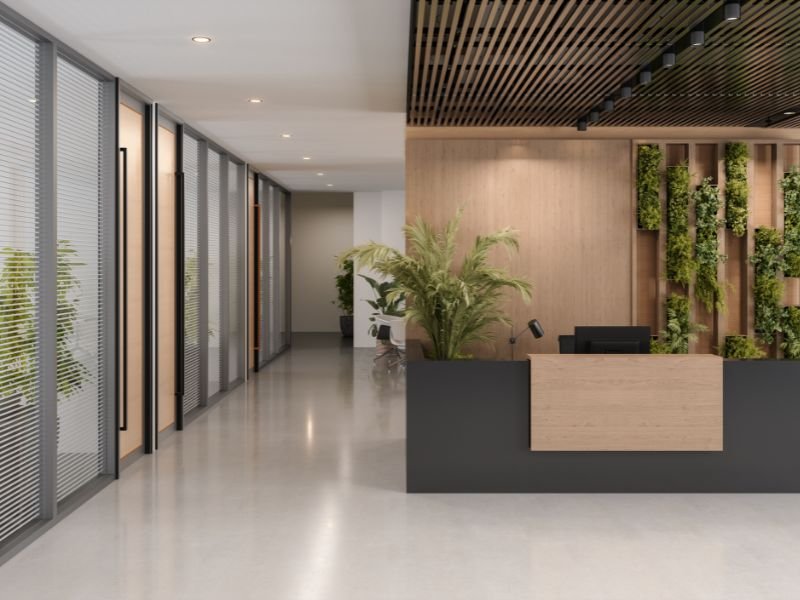
The reception area is often the first part of an office visitors see.
A healthy, well-maintained plant can add natural decoration and make the area feel more welcoming.
🌿 Keep Walkways Clear
Plants should never interfere with movement.
Avoid placing large pots in narrow walkways or near emergency exits. Workplace safety should always take priority over decoration.
🪴 Plants for Inside Office Desk
Plants for inside office desk spaces should generally be compact and easy to maintain.
A desk plant can add personality to a workspace, but it should not reduce the area you need for daily work.
🌿 1. Small Snake Plants
A small snake plant can fit neatly into a desk corner.
Its upright growth means it can provide greenery without spreading widely across the workspace.
🌱 2. Pothos
A small pothos can be placed in a decorative container on a desk or nearby shelf.
If allowed to trail, its stems can create an attractive natural look.
🪴 3. Small ZZ Plants
Compact ZZ plants can work well on office desks because they are relatively low maintenance.
Their glossy leaves also provide a clean and professional appearance.
🌿 Protect Your Electronics
Always keep plant containers away from computers, keyboards, chargers, and other electrical equipment.
Even a small amount of spilled water can damage expensive electronics.
🌱 Keep Your Workspace Comfortable
A plant should improve your workspace rather than make it crowded.
Choose a size that leaves enough room for your computer, documents, writing materials, and other everyday items.
🏢 Plants for Inside Office Spaces
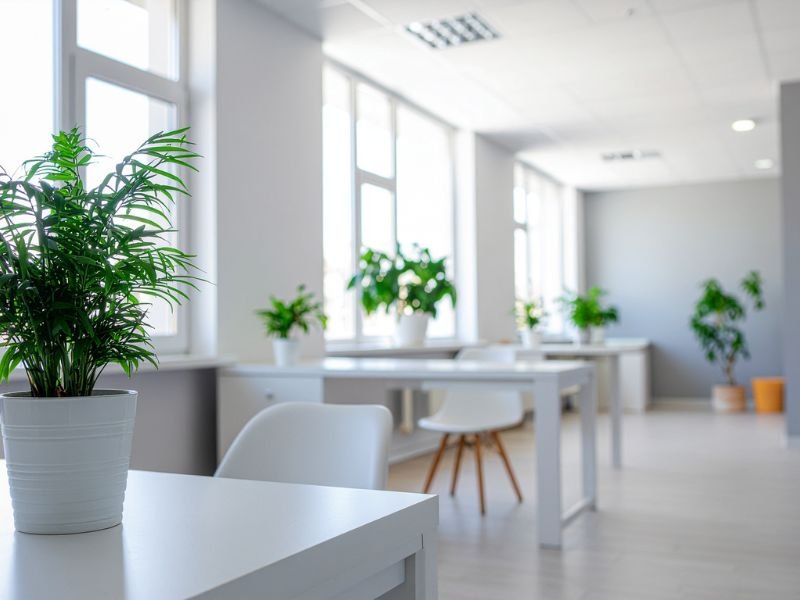
Using plants for inside office spaces can help make different areas of the workplace feel more connected and visually balanced.
Instead of placing all plants in one location, you can distribute them throughout the office.
🌿 1. Reception Areas
Medium or large plants can be used around reception desks if enough space is available.
They can add greenery without requiring additional wall decoration.
🪴 2.Workstations
Small plants can personalize individual workstations.
A compact plant placed at the corner of a desk can add greenery while keeping the main work area clear.
🌱 3.Shelves and Cabinets
Shelves provide valuable vertical space for small plants.
Trailing plants can be especially attractive when placed on upper shelves, allowing foliage to hang naturally.
🌿 Create Balanced Plant Displays
Instead of placing plants randomly, consider their size and position.
For example, you could place one taller plant in an empty corner and smaller plants on nearby shelves or desks. This creates a more balanced visual arrangement.
💧 Low Maintenance Plants for Inside Office
If your office has limited time for plant care, low maintenance plants for inside office environments are a practical choice.
Low-maintenance plants can reduce the amount of daily attention required while still providing attractive greenery.
🌿 1. Choose Plants With Simple Watering Needs
Snake plants and ZZ plants are popular because they generally tolerate periods of dry soil.
This does not mean they should never be watered. It simply means they may be more forgiving when watering is not perfectly regular.
🪴 2. Choose Durable Plants
Look for plants that can tolerate typical indoor temperatures and the amount of light available in your office.
A durable plant that matches your environment will usually be easier to maintain than one that requires specialized conditions.
🌱 Low Maintenance Does Not Mean No Maintenance
Every indoor plant needs some level of care.
Even low-maintenance plants need appropriate light, suitable watering, drainage, and occasional inspection for pests or damaged leaves.
A simple weekly check can help you notice problems before they become serious.
🌱 Small Plants for Inside Office
Small plants for inside office spaces are ideal when you have limited room.
They can be placed on desks, shelves, windowsills, cabinets, and small plant stands.
🪴 1.Small Pothos
A small pothos can add attractive trailing greenery without occupying much floor space.
It can also be moved easily when you need to clean or rearrange the workspace.
🌿 2. Compact Snake Plant
Small snake plants can fit neatly into office corners or desk areas.
Their upright leaves make them especially useful where horizontal space is limited.
🌱 3. Small Spider Plant
Spider plants can add fresh green foliage to desks and shelves.
They generally prefer suitable indirect light, so choose their location carefully.
🌿 Use Small Pots
Choose containers that fit the available space while providing adequate room for the plant’s root system.
The pot should also have suitable drainage to reduce the risk of waterlogged soil.
💼 Plants for Inside Office at Work
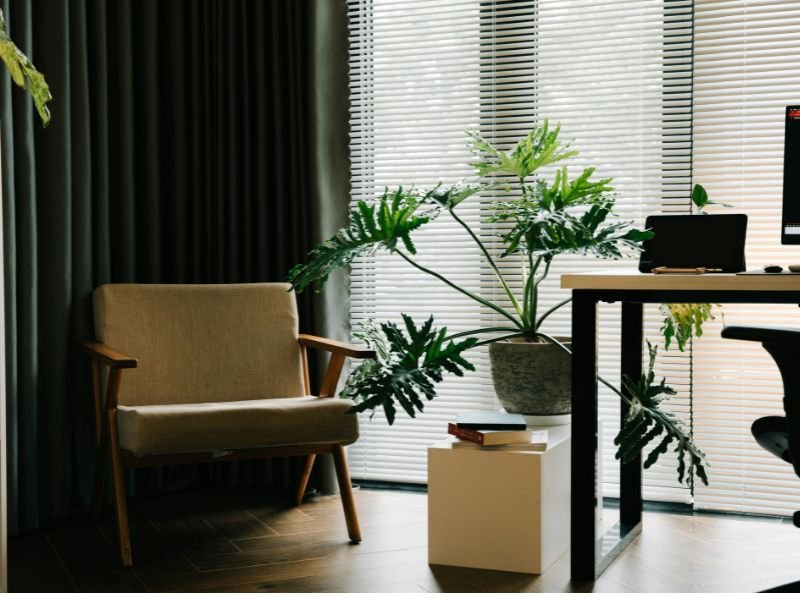
Having plants for inside office at work can add personality to an otherwise standard workspace.
Plants do not need to occupy a large area to make a visual difference.
🌿 1. Personal Workstations
A small plant can make an individual workstation feel more natural.
Choose a plant that fits your desk and does not interfere with your computer or work materials.
🪴 2. Shared Office Areas
Medium-sized plants can be used in shared spaces such as break areas or common rooms.
Make sure everyone can move comfortably around the plant and that it does not create a safety problem.
🌱 3. Home Office
If you work from home, you can apply the same principles.
Choose plants based on the light available in your home office, the size of your desk, and the amount of time you can spend caring for them.
🌿 Keep the Workspace Organized
Plants should complement the office rather than create clutter.
A few healthy, well-positioned plants can usually have a better visual effect than too many plants crowded into a small area.
💧 How to Care for Plants for Inside Office
Even the easiest office plants need basic care.
A simple maintenance routine can help plants remain healthy and attractive.
🌱 1. Check the Soil Before Watering
Avoid watering every plant automatically every day.
Instead, check the soil and consider the specific moisture requirements of the plant. Overwatering can be particularly problematic in low-light environments because plants may use water more slowly.
☀️ 2. Monitor Light
If a plant begins producing weak or unusual growth, check whether it is receiving enough light.
Moving the plant to a more suitable location or providing supplemental lighting may help, depending on the situation.
🌿 3. Clean the Leaves
Indoor plants can collect dust on their leaves.
Gently cleaning suitable leaves can improve their appearance and help you notice pests or other problems early.
🪴 4. Check for Pests
Inspect leaves, stems, and the soil surface regularly.
Early detection makes it easier to manage pest problems before they spread to other office plants.
🌱 Use Containers With Drainage
Containers with suitable drainage can help excess water escape.
Avoid allowing plants to sit in standing water for long periods, as overly wet conditions can contribute to root problems.
⚠️ Common Mistakes When Keeping Office Plants
💧 1. Overwatering
One of the most common problems with office plants is watering too frequently.
People sometimes assume that yellow leaves mean the plant needs more water, but overwatering can also cause leaf problems.
Always consider the soil moisture and plant requirements before watering.
☀️ 2. Ignoring Light Requirements
A plant cannot remain healthy simply because it is labeled “low light.”
Low-light-tolerant plants still require usable light for photosynthesis.
🪴 3. Choosing Plants That Are Too Large
A plant may look small when you purchase it but grow considerably over time.
Before placing a large plant in a small office, consider its mature size and how much space it will eventually require.
🌿 4. Placing Plants Too Close Together
Crowding plants together can make maintenance difficult and may reduce airflow around the foliage.
Give plants enough space so you can easily inspect and care for them.
🌱 Buying Plants Without Checking Their Needs
Before purchasing any plant, check its light requirements, expected size, watering needs, temperature preferences, and drainage requirements.
This simple step can prevent many common office plant problems.
❓ Frequently Asked Questions About Plants for Inside Office
🌿 Q. What are the best plants for inside office?
Snake plants, ZZ plants, pothos, spider plants, and cast iron plants are popular options. The best choice depends on the office’s light, available space, temperature, and maintenance routine.
🪴 Q. What is a good plant for an office?
Snake plants and ZZ plants can be good choices for busy offices because they are relatively low maintenance and can tolerate a range of indoor conditions.
🌱 Q.What plants can grow in an office with no windows?
Plants need light to grow. In a windowless office, low-light-tolerant plants such as snake plants and ZZ plants may be used with an appropriate artificial grow light.
🌿 Q.What are the best plants for inside office with low light?
Snake plants, ZZ plants, pothos, and cast iron plants are commonly considered suitable for lower-light indoor environments.
🪴 Q.Where should I put plants inside an office?
Plants can be placed on desks, shelves, windowsills, plant stands, or suitable empty corners. Always consider the plant’s light requirements and make sure pathways remain clear.
🌱 Q. Are plants good for office desks?
Small office plants can add greenery and visual interest to a desk. Choose compact plants and keep them away from electronics and areas where they interfere with work.
💧 Q. How often should office plants be watered?
There is no single watering schedule for every plant. Check the soil and follow the watering requirements of the particular plant rather than watering automatically every day.
🌿 Q. How can plants survive in an office without direct sunlight?
Yes, some plants can tolerate indirect or low light, but they still need a usable source of light. A suitable grow light may be necessary in very dark offices.
🌿 Final Thoughts
Choosing the right plants for inside office spaces does not have to be complicated. The most important step is to understand your workplace conditions before purchasing plants.
Start by checking the available light, temperature, space, and maintenance routine. If your office has windows, choose plants according to the amount and intensity of daylight. For darker workplaces, consider low-light-tolerant plants such as snake plants, ZZ plants, and pothos.
For desks and small offices, compact plants are usually the easiest option. Larger workplaces can use floor plants, plant stands, shelves, and hanging greenery to create a more natural environment.
Remember that low light does not mean no light. Plants still need light to grow, so a windowless office may require artificial grow lighting.
With thoughtful plant selection, proper placement, suitable watering, and regular basic care, you can create a greener and more welcoming workplace without making your office difficult to maintain.