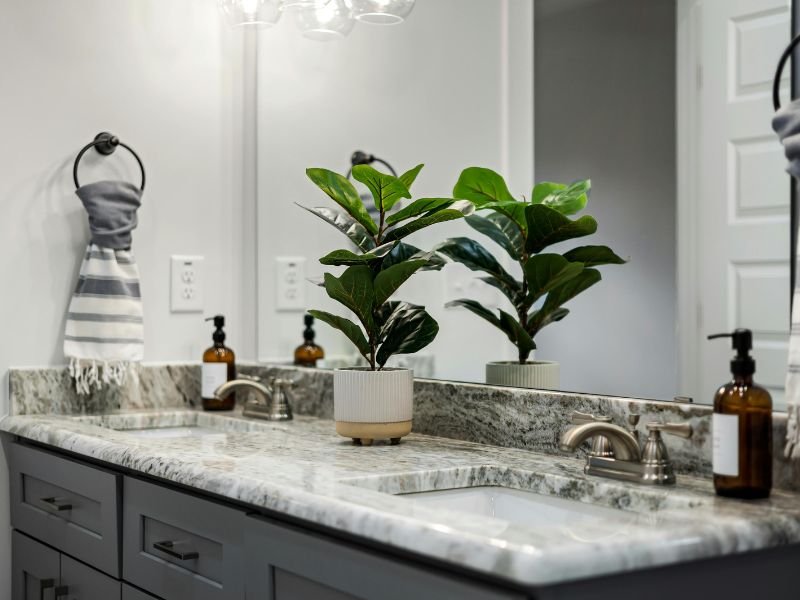
🌿 Good Indoor Plants to Clean the Air: Best Air-Purifying Houseplants
Published: 21 Aug 2026
Bringing greenery into your home is an easy way to make indoor spaces feel fresh, natural, and inviting. If you are looking for good indoor plants to clean the air, there are many popular houseplants that can add beauty while supporting a greener indoor environment.
Plants such as snake plants, spider plants, pothos, and peace lilies are commonly chosen for homes and offices because they are attractive and relatively easy to grow indoors.
However, it is important to understand that houseplants should not replace proper ventilation or air filtration. Indoor air quality depends on several factors, including ventilation, household products, dust, moisture, and other pollution sources.
This guide explores the best indoor plants to clean the air, where to place them, which plants are easy to maintain, and which options may be suitable for homes with pets.
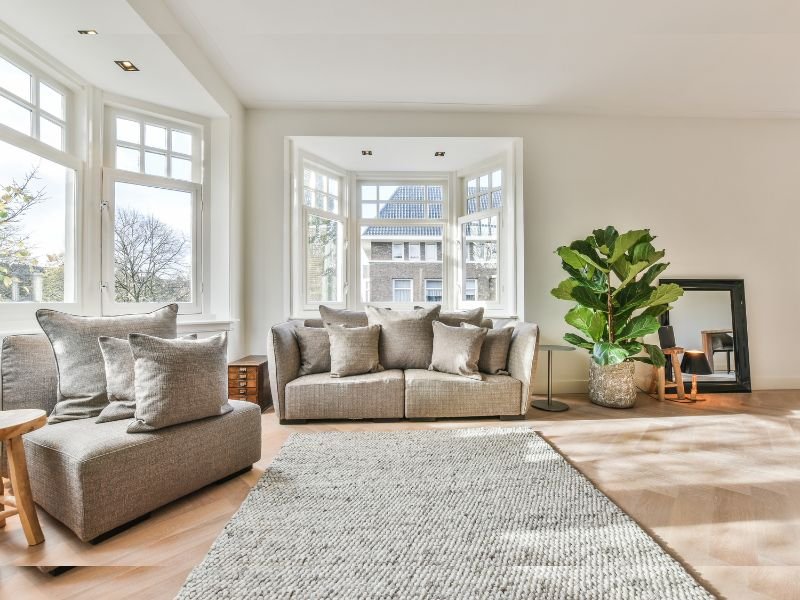
🌿 Good Indoor Plants That Clean the Air
Many people search for good indoor plants that clean the air when they want to add greenery to their homes.
Several popular houseplants are traditionally associated with air-purifying benefits, including snake plants, spider plants, pothos, peace lilies, and some palms.
🪴 1. Snake Plant
Snake plants are among the most popular choices for indoor spaces. Their upright leaves make them attractive while taking up relatively little floor space.
They are also known for being relatively low maintenance and can tolerate periods of dry soil.
This makes them useful for beginners who want an attractive plant without a complicated care routine.
🌱 2. Spider Plant
Spider plants have long, narrow leaves and produce small plantlets that develop around the mother plant.
They can work well on shelves, plant stands, or hanging baskets.
With suitable indirect light and appropriate watering, spider plants can make an attractive addition to bedrooms, living rooms, and offices.
🌿 Pothos
Pothos is a popular indoor plant because of its trailing growth and adaptability.
It can be placed on shelves or grown in hanging containers where its stems can cascade downward.
Pothos can tolerate lower indoor light, although suitable indirect light generally supports healthier growth.
🪴 Choose Plants According to Your Environment
The best plant is not necessarily the one with the strongest air-purifying reputation.
A plant that receives suitable light and proper care is more likely to remain healthy and attractive than one placed in an unsuitable envitonment .
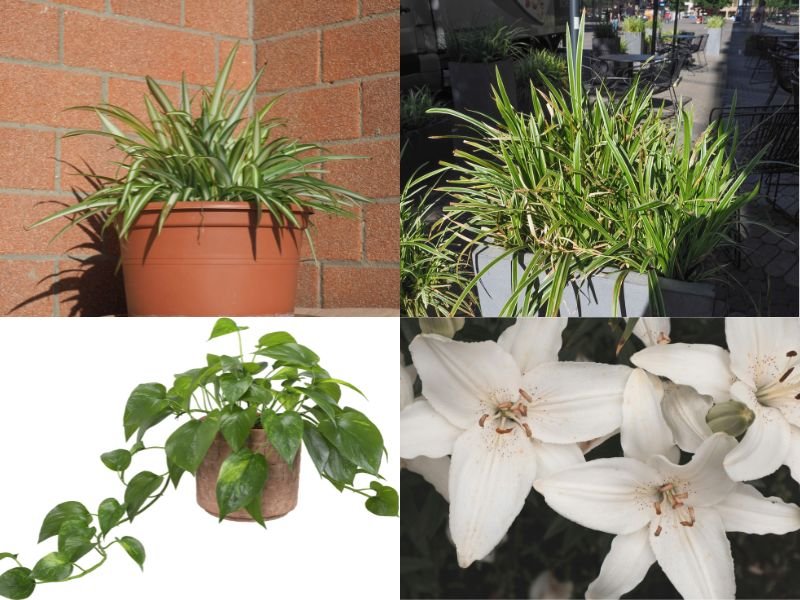
🏢 Best Office Plants to Clean Air
If you are searching for the best office plants to clean air, focus on plants that can handle typical indoor conditions and fit comfortably into your workspace.
Offices may have limited windows, air conditioning, or inconsistent plant care, so low-maintenance options are often practical.
🌿 1.Snake Plant for Office
A snake plant can be placed beside a desk, in an office corner, or near a suitable window.
Its upright growth makes it useful where floor space is limited.
🪴 2. ZZ Plant for Office
ZZ plants are known for their glossy foliage and tolerance of lower-light conditions.
They also generally prefer allowing the growing medium to dry between waterings, which can be convenient in a busy workplace.
🌱 3. Pothos for Office Shelves
Pothos works particularly well on shelves or in hanging containers.
Its trailing growth can add greenery without occupying valuable desk space.
🌿 Air Quality in the Workplace
Plants can make an office feel more natural, but they should not be considered a substitute for proper ventilation or air filtration.
Regular cleaning, good airflow, and controlling pollution sources remain important for maintaining a healthy workplace environment .

❓ What Plants Are Good for Cleaning Indoor Air?
If you are asking what plants are good for cleaning indoor air, several popular houseplants are commonly selected for their attractive foliage and reputation as air-purifying plants.
Some commonly recommended choices include:
- Snake plant
- Spider plant
- Pothos
- Peace lily
- Areca palm
- Boston fern
🌿 1.Consider Your Room Conditions
Before purchasing a plant, consider how much light your room receives.
A plant that needs bright indirect light may struggle in a dark corner, while a low-light-tolerant plant may be better suited to that location.
🪴 2. Consider Maintenance Requirements
Some plants require more frequent watering or higher humidity than others.
If you are new to indoor gardening, start with relatively easy-care plants and learn their basic requirements.
🌱 Healthy Plants Need Healthy Growing Conditions
Good soil, appropriate drainage, suitable light, and correct watering are essential.
A plant cannot thrive simply because it is labeled an air-purifying plant.
🌿 Best Plants That Purify Air Around You
The phrase best plants that purify air around you is often used when discussing indoor plants that may contribute to a healthier-feeling indoor environment.
Popular options include snake plants, spider plants, pothos, peace lilies, and certain palms.
🪴 1. Snake Plant
Snake plants are easy to recognize because of their tall, upright leaves.
They can work well in bedrooms, living rooms, hallways, and offices.
Their relatively low maintenance requirements make them especially popular with beginners.
🌱 2.Peace Lily
Peace lilies have attractive dark green leaves and produce distinctive white flowers when growing conditions are suitable.
They generally prefer indirect light and evenly moist soil, so they may require more attention than drought-tolerant plants such as snake plants.
🌴 3. Areca Palm
Areca palms can add a tropical appearance to larger rooms.
Because they can become relatively large, they are better suited to spaces with enough room for their mature growth.
🌿 Do Plants Actually Purify an Entire Room?
It is important to keep expectations realistic.
Houseplants can be a beautiful addition to an indoor environment, but a few plants should not be expected to remove all indoor pollutants from a normal home.
Good ventilation and appropriate air filtration remain important.
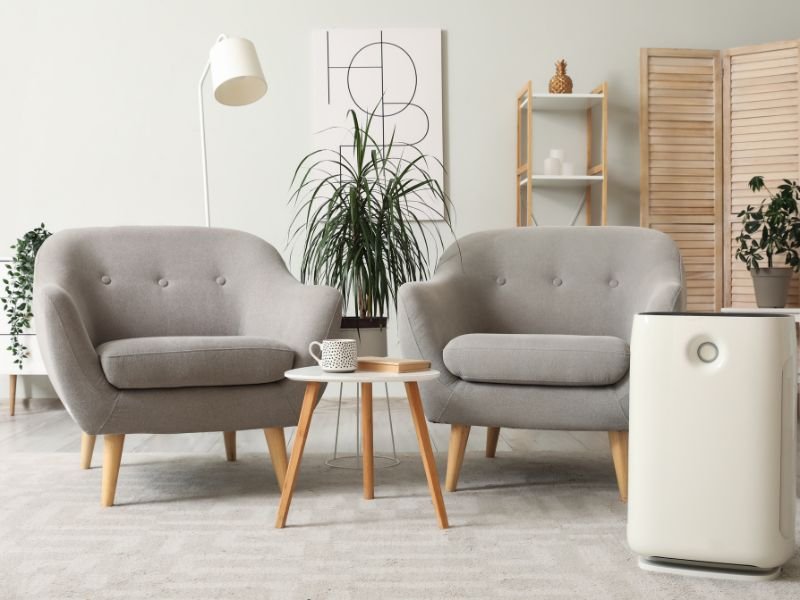
🐾 Best Indoor Plants for Cleaning Air Pet Friendly
If you have pets, choosing plants requires additional care. Some popular indoor plants can be harmful if cats or dogs chew or ingest them.
When searching for the best indoor plants for cleaning air pet friendly, always verify the plant’s safety for your particular pet before bringing it home.
🌿 1. Spider Plant
Spider plants are commonly considered a pet-friendly option and are popular because they are relatively easy to grow indoors.
They can be placed on shelves or hanging baskets to keep them away from curious pets.
🌱 2. Boston Fern
Boston ferns are another commonly chosen pet-friendly houseplant.
They prefer higher humidity and consistently suitable moisture, so they may require more care than drought-tolerant plants.
🪴 3. Areca Palm
Areca palms are also commonly listed among pet-friendly indoor plants.
They can grow larger than many desk plants, making them better suited to spacious rooms.
⚠️ Always Verify Plant Safety
Pet safety should be checked independently before purchasing any plant.
Even if a plant is generally considered non-toxic, chewing large quantities of plant material can still cause digestive upset in some pets.
Keep plants in locations where pets cannot easily knock over containers or chew the foliage.
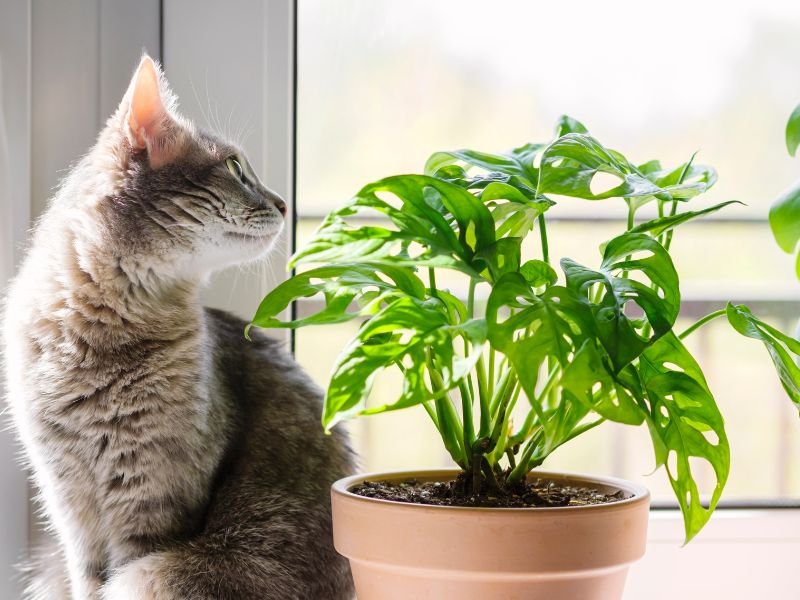
🏠 Best Indoor Plants to Clean Air in Your House
If you want the best indoor plants to clean air in your house, consider the size, lighting, humidity, and purpose of each room.
You do not need to fill your entire home with plants. A few healthy plants placed in suitable locations can add natural beauty to your interior.
🛋️ 1.Plants for Living Rooms
Living rooms often provide more space for larger plants.
Snake plants, pothos, peace lilies, and palms can be used depending on the available light and room conditions.
🛏️ 2. Plants for Bedrooms
For bedrooms, compact plants such as snake plants and spider plants can be practical choices.
Place them where they receive suitable light and where they will not interfere with movement around the bed.
🍳 3. Plants for Kitchens
Kitchens can have changing temperatures and humidity levels.
Choose plants according to the light available and avoid placing them directly beside cooking heat or strong temperature changes.
🌿 Match the Plant to the Room
The same plant may perform differently in different rooms.
Before placing a plant, check the room’s light, temperature, humidity, and available space.
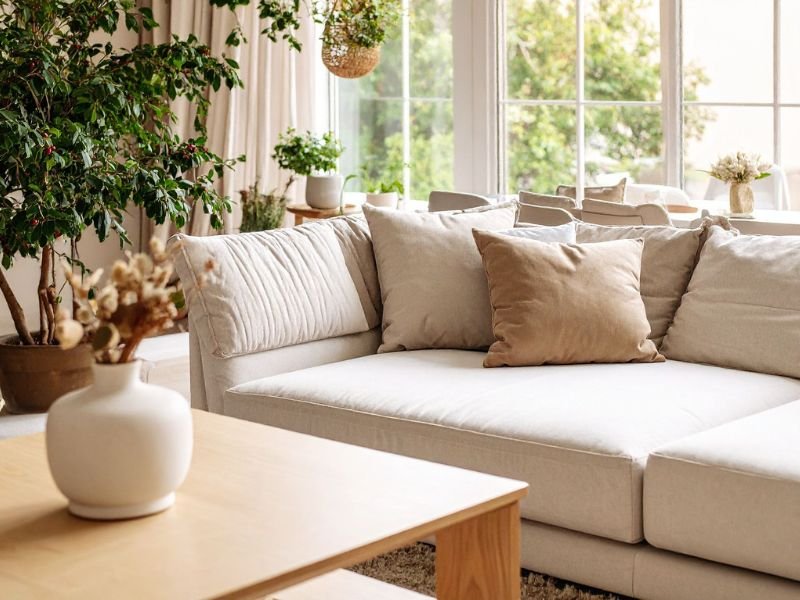
🌱 Good Indoor Plants to Clean the Air at Home
There are many good indoor plants to clean the air at home, but the best choice is one that can thrive under your home’s specific conditions.
🌿 1. For Bright Rooms
If your home receives plenty of bright indirect light, you can consider plants with higher light requirements.
Keep plants away from harsh direct sunlight when their leaves are sensitive to scorching.
🪴 2. For Low-Light Rooms
Snake plants, ZZ plants, pothos, and cast iron plants are commonly chosen for lower-light spaces.
Remember that low light does not mean complete darkness. Plants still require light for photosynthesis.
🌱 Start With Easy Plants
If you are new to indoor gardening, start with one or two easy-care plants.
Learning how to water, position, and maintain a few plants is easier than trying to manage a large indoor garden immediately.
🌿 Good Indoor Plants to Clean the Air Naturally
People often look for good indoor plants to clean the air naturally because they want to reduce their dependence on artificial décor and bring more greenery into their homes.
Plants naturally absorb carbon dioxide during photosynthesis and release oxygen, but their effect on overall indoor air pollution in ordinary homes should not be exaggerated.
🪴 1.Use Plants Alongside Ventilation
Opening suitable windows or using a properly functioning ventilation system can help exchange indoor and outdoor air when outdoor conditions are appropriate.
🌱 2.Control Pollution Sources
Reducing indoor pollutants at their source is often more important than relying on plants.
For example, avoid unnecessary indoor smoke and use household products according to their instructions.
🌿 Combine Greenery With Good Air Practices
Plants should be viewed as part of a pleasant indoor environment rather than as a replacement for ventilation, filtration, or source control.
🏠 Good Indoor Plants to Clean the Air Indoors
If you are choosing good indoor plants to clean the air indoors, start by examining the environment where the plant will live.
🌱 1. Check Natural Light
Observe how much daylight enters the room during the day.
This will help you choose plants that can actually grow in that location.
💧 2. Check Humidity
Some plants prefer more humid conditions, while others tolerate relatively dry indoor air.
Avoid assuming that all houseplants require the same humidity level.
🪴 3. Provide Proper Drainage
Use suitable containers with drainage holes and avoid keeping plants sitting in excess water.
🌿 Keep Plants Healthy
A healthy, well-maintained plant will always be a better addition to your home than a stressed plant placed in unsuitable conditions.
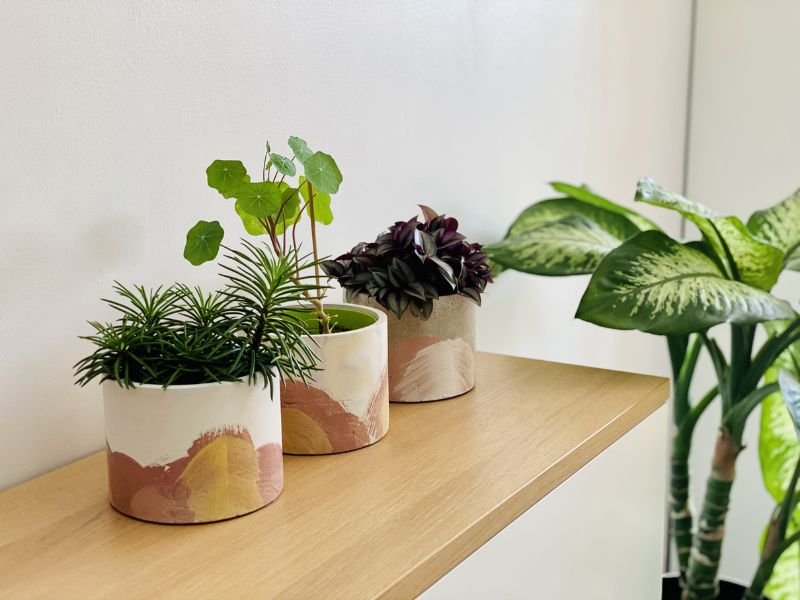
🪴 Best Indoor Plants to Clean the Air
If you are specifically searching for the best indoor plants to clean the air, here are some popular choices to consider:
| Plant | Light | Maintenance | Good For |
|---|---|---|---|
| Snake Plant | Low to bright indirect | Low | Bedrooms/offices |
| Spider Plant | Moderate indirect | Moderate | Shelves/hanging |
| Pothos | Low to bright indirect | Low–moderate | Shelves |
| Peace Lily | Low to moderate | Moderate | Living rooms |
| Areca Palm | Bright indirect | Moderate | Large rooms |
| Boston Fern | Indirect light | Moderate–high | Humid rooms |
🌿 1.Best Choice for Beginners
Snake plants and pothos are popular starting points because they can adapt to a range of indoor conditions.
🪴 2. Best Choice for Low Light
Snake plants, ZZ plants, and pothos are commonly considered more tolerant of lower-light conditions.
🌱 3. Best Choice for Larger Rooms
Areca palms and other larger houseplants can create a stronger visual impact in spacious rooms.
🌿 Choose Based on Your Needs
Instead of asking which plant is universally “best,” ask which plant is best for your room.
The right plant should match your light, space, temperature, humidity, and care routine.
🌱 Best Indoor Plants for Clean Air
When choosing best indoor plants for clean air, it is useful to think beyond air-purification claims.
A good indoor plant should also be healthy, appropriate for the room, and manageable for your lifestyle.
🪴 1. Low-Maintenance Choices
Snake plants and ZZ plants can be practical for people who want relatively simple plant care.
🌿 2.Decorative Choices
Peace lilies, spider plants, pothos, and palms can add different shapes and textures to your interior.
🌱 H4: Healthy Plants Need Proper Care
Even the most adaptable plant will struggle without appropriate light, watering, drainage, and temperature.
🌿 Indoor Plants That Clean the Air
Many articles discuss indoor plants that clean the air, especially in relation to research involving plants in controlled environments.
However, results from laboratory studies do not necessarily mean that a few houseplants can significantly clean the air of a typical modern home.
🪴 Think of Plants as Part of a Healthy Home
Indoor plants can provide greenery, natural visual interest, and a connection with nature.
For actual indoor air-quality improvement, also pay attention to ventilation, filtration, cleaning, and pollutant sources.
🌱 Avoid Overstated Claims
It is better to describe plants as potentially contributing to a pleasant indoor environment rather than claiming that they can completely remove harmful pollutants.
This makes your article more trustworthy and informative.
🌿 Indoor Plants That Help Clean the Air
Some people specifically search for indoor plants that help clean the air when choosing houseplants.
Popular options include snake plants, spider plants, pothos, peace lilies, and palms.
🪴 1. Snake Plant
Snake plants are easy to recognize and generally require relatively little maintenance.
They can be useful for beginners and can fit into bedrooms, living rooms, and offices.
🌱 2. Spider Plant
Spider plants are attractive and can be grown in hanging containers or on shelves.
They are also a commonly selected option for homes with pets.
🌿 3. Pothos
Pothos is versatile and can be grown in different indoor locations where suitable light is available.
Its trailing growth makes it especially useful for shelves and hanging planters.
💧 Easy Indoor Plants to Clean the Air
If you want easy indoor plants to clean the air, choose varieties that can tolerate your home’s normal conditions.
🌿 1. Snake Plant
Snake plants are popular because they generally tolerate periods of dry soil and lower-light conditions.
🪴 2. Pothos
Pothos is adaptable and can grow in a variety of indoor settings.
🌱 3. Spider Plant
Spider plants are relatively easy to propagate and can produce small plantlets, making them an interesting choice for beginners.
🌿 Start Small
You do not need a large collection of plants to create a greener home.
Start with one or two plants and learn their care requirements before expanding your indoor garden.
🪴 Low Maintenance Indoor Plants to Clean the Air
For people with busy schedules, low maintenance indoor plants to clean the air can be more practical than plants that require daily attention.
🌿 1. Snake Plant
Snake plants can tolerate periods of dry soil and a range of indoor lighting conditions.
🪴 2. ZZ Plant
ZZ plants are also known for their tolerance of lower light and infrequent watering.
🌱 3. Pothos
Pothos can tolerate lower indoor light and is easy to grow in containers or hanging baskets.
🌿 Create a Simple Care Routine
Check your plants regularly, but do not automatically water them every day.
Look at the soil, leaves, and overall growth to determine whether the plant needs attention.
🌬️ Indoor Plants for Better Air Quality
Using indoor plants for better air quality can be part of a broader approach to creating a comfortable indoor environment.
🌿 1. Improve Ventilation
Appropriate ventilation helps exchange indoor air and can reduce the buildup of some indoor pollutants.
🪴 2. Keep Indoor Spaces Clean
Regular dusting and cleaning can help reduce the accumulation of dust and other particles.
💨 3. Consider Air Filtration
When indoor air quality is a significant concern, appropriate air filtration can be much more reliable than depending on houseplants alone.
🌱 Use Plants as a Complement
Plants can add beauty and natural greenery while ventilation, filtration, and source control handle the more important aspects of indoor air quality.
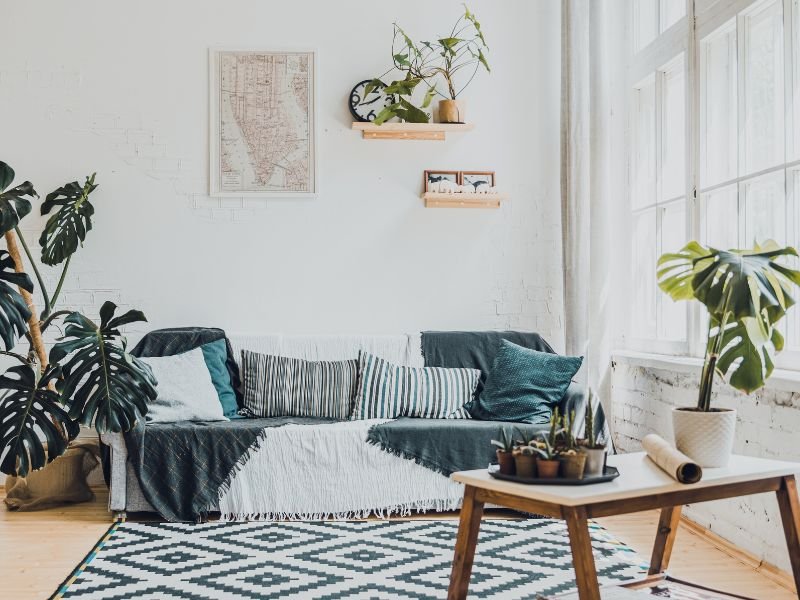
⚠️ Common Mistakes When Choosing Air-Purifying Indoor Plants
💧 1. Overwatering Plants
One of the most common indoor gardening mistakes is watering too frequently.
Excess moisture can cause root problems and may make the plant unhealthy.
☀️ 2.Ignoring Light Requirements
A plant cannot remain healthy simply because it is marketed as an air-purifying plant.
Always consider its lighting requirements.
🐾 3. Forgetting About Pets
Some popular houseplants can be harmful to cats and dogs.
If you have pets, always check the plant’s safety before bringing it home.
🌿 4. Expecting Plants to Replace Air Purifiers
Houseplants should not be considered a replacement for proper ventilation or air filtration.
They are best viewed as a beautiful addition to a broader healthy-home strategy.
🪴 Choosing Too Many Plants
Filling a room with plants can make watering, cleaning, pest inspection, and general maintenance much more difficult.
Start with a manageable number.
❓ Frequently Asked Questions About Good Indoor Plants to Clean the Air
🌿 Q. What are good indoor plants to clean the air?
Popular choices include snake plants, spider plants, pothos, peace lilies, and certain palms. However, houseplants should complement rather than replace proper ventilation and air filtration.
🪴 Q. What plants are good for cleaning indoor air?
Snake plants, spider plants, pothos, peace lilies, and palms are commonly discussed as air-purifying houseplants.
🌱 Q. What are the best indoor plants for clean air?
The best choice depends on your room. Snake plants and ZZ plants are practical for low-maintenance care, while spider plants and pothos can provide attractive greenery in many indoor spaces.
🐾 Q. What are the best indoor plants for cleaning air that are pet friendly?
Spider plants, Boston ferns, and areca palms are commonly considered pet-friendly options. Always verify the specific plant’s safety before bringing it into a home with pets.
🏢 Q. What are the best office plants to clean air?
Snake plants, pothos, ZZ plants, and spider plants can be practical office choices because several of them tolerate common indoor conditions.
🏠 Q.What are the best indoor plants to clean air in your house?
Snake plants, pothos, spider plants, peace lilies, and suitable palms can be considered depending on the lighting and space available in your home.
💡 Q. Can indoor plants clean the air without sunlight?
Plants require light for photosynthesis. If natural sunlight is unavailable, suitable artificial grow lighting may be needed.
🌿 Q. Are indoor plants enough to improve air quality?
No. Plants should not replace proper ventilation, source control, or air filtration. These measures are more important for managing indoor air quality.
💧 Q. How do I keep indoor air-purifying plants healthy?
Provide suitable light, water according to the plant’s needs, use well-draining containers, and regularly check the leaves and soil for signs of stress or pests.
🌿 Final Thoughts
Choosing good indoor plants to clean the air can be a wonderful way to add natural beauty and greenery to your home or office. Snake plants, spider plants, pothos, peace lilies, and certain palms are popular choices for indoor spaces.
However, healthy indoor air requires more than plants alone. Proper ventilation, controlling pollution sources, regular cleaning, and suitable air filtration are important parts of maintaining indoor air quality.
When selecting plants, think about your room’s light, available space, humidity, maintenance routine, and whether you have pets. A healthy plant that suits your environment will always be a better choice than a plant that cannot survive in the conditions you provide.
Start with a few easy-care plants, place them in suitable locations, and build your indoor garden gradually.