Vegetable Plants for Pots: A Complete Guide to Growing Fresh Vegetables at Home.
Published: 13 Aug 2026
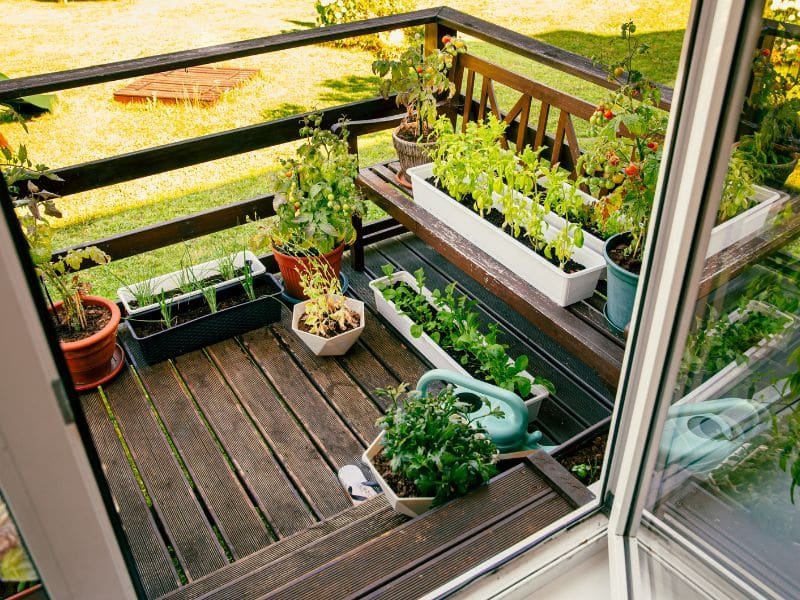
Growing fresh vegetables does not always require a large backyard or traditional garden. With the right containers, soil, sunlight, and regular care, you can grow many vegetable plants for pots on a balcony, patio, terrace, or small outdoor space.
Container gardening is especially useful for people who have limited gardening space. Many vegetables grow successfully in pots when they receive adequate sunlight, proper watering, good drainage, and nutrient-rich soil.
Whether you are a beginner or an experienced gardener, choosing the right vegetables, containers, and growing conditions can help you create a productive vegetable garden at home.
Best Vegetable Plants for Pots.
There are many vegetables that can be grown successfully in containers. The best choices are generally vegetables that have manageable root systems or compact growth habits.
Some of the best vegetable plants for pots include tomatoes, peppers, lettuce, spinach, radishes, carrots, green onions, and beans.
1.Tomato Plants
Tomatoes are among the most popular vegetables for container gardening. They need a relatively large and deep pot because their roots require enough space to develop.
Tomato plants also need plenty of sunlight and may require a stake or tomato cage for support.
2.Pepper Plants
Peppers are excellent vegetable plants for pots because many varieties remain relatively compact. Both sweet peppers and hot peppers can be grown in containers.
Place pepper pots in a sunny location and keep the soil consistently moist without making it waterlogged.
3.Lettuce
Lettuce is one of the easy vegetables to grow in pots because it does not require a very deep container.
A wide pot can hold several lettuce plants, making it a useful option for balconies and other small spaces.
4.Spinach
Spinach is another good option for container gardening. It can grow in relatively shallow containers and does not require a large amount of space.
5.Radishes
Radishes grow relatively quickly and can be excellent vegetable plants for small pots. However, the container should still provide enough depth for the roots to develop properly.
6.Green Onions
Green onions require very little space and can be grown in containers, window boxes or small pots.
Easy Vegetable Plants for Pots for Beginners.
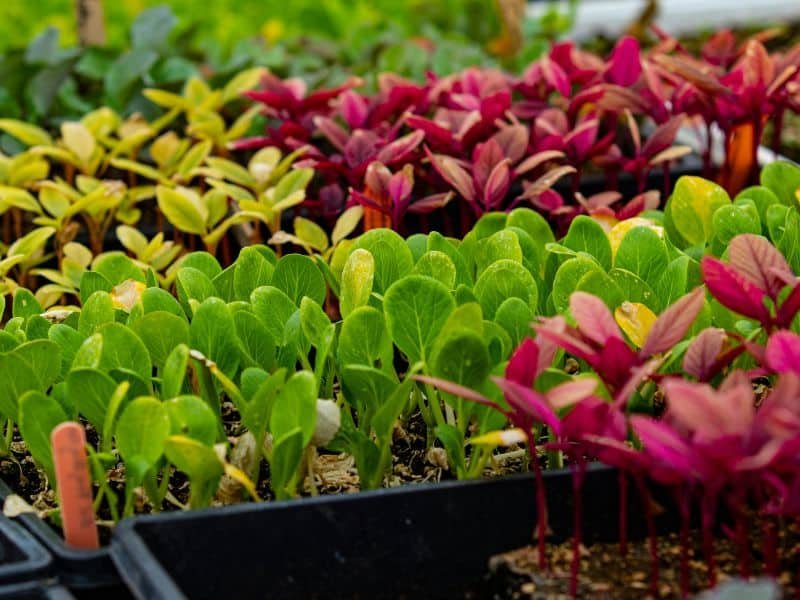
If you are new to container gardening, it is better to begin with vegetables that are relatively easy to grow and maintain.
Some easy vegetable plants for pots include:
- Lettuce
- Radishes
- Spinach
- Green onions
- Peppers
- Bush beans
- Carrots
- Tomatoes
Why Start With Easy Vegetables?
Beginner-friendly vegetables allow new gardeners to learn basic gardening practices such as watering, sunlight management, fertilizing, and pest monitoring.
Start with a few pots rather than filling your entire space with plants. Once you understand how your plants respond to their growing environment, you can gradually expand your container garden.
Vegetables That Grow Well in Pots
Many vegetables can grow successfully in containers when the pot size and growing conditions are appropriate.
The most common vegetables that grow well in pots include tomatoes, peppers, lettuce, spinach, radishes, carrots, beans, cucumbers, and green onions.
1.Vegetables for Small Containers
Small containers can be suitable for:
- Lettuce
- Radishes
- Green onions
- Spinach
- Some herbs
2.Vegetables for Medium Containers
Medium-sized pots can be used for:
- Peppers
- Bush beans
- Spinach
- Carrots
- Smaller vegetable varieties
3.Vegetables for Large Containers
Large and deep containers are more suitable for:
- Tomatoes
- Cucumbers
- Potatoes
- Large pepper plants
- Other vegetables with larger root systems
Why Does Container Size Matter?
Container size directly affects the amount of space available for roots. A pot that is too small may restrict root growth and cause the soil to dry out quickly.
On the other hand, an appropriately sized container provides roots with sufficient space and helps maintain more stable moisture levels.
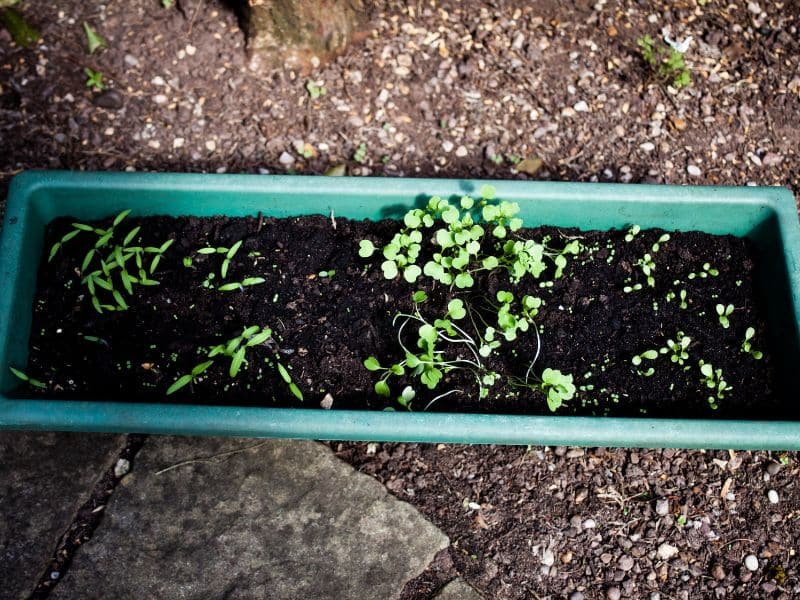
Best Vegetables to Grow in Pots at Home.
Growing vegetables at home is a convenient option for people who want fresh produce without maintaining a large garden.
The best vegetables to grow in pots include tomatoes, peppers, lettuce, spinach, radishes, carrots, beans, and green onions.
1.Vegetable Plants for Small Pots
If you have very limited space, choose compact vegetables that do not require extremely large containers.
Lettuce, radishes, spinach, and green onions are good options for vegetable plants for small pots.
Wide containers can also be useful because they allow you to grow several smaller plants while making efficient use of limited space.
2.Vegetable Plants for Containers
Vegetable plants for containers need suitable growing conditions to produce healthy growth.
Choose containers with drainage holes and use a quality growing medium that provides good drainage while retaining enough moisture for the roots.
Vegetable Garden Soil Home Depot: Choosing the Right Soil.
Good soil is one of the most important factors when growing vegetables in containers. Gardeners searching for vegetable garden soil Home Depot may find different types of potting mixes, garden soils, and vegetable-growing products.
For container vegetables, look for a growing medium that:
- Drains excess water properly
- Retains sufficient moisture
- Contains organic matter
- Provides good aeration
- Supports healthy root development
Why Is Soil Important for Potted Vegetables?
Unlike plants growing directly in the ground, container vegetables have access to a limited amount of growing medium. Therefore, the quality of the soil can have a significant effect on plant growth.
Heavy garden soil may become compacted inside containers and restrict drainage. A suitable container or potting mix is generally more practical for potted vegetables.
What Should Good Container Soil Contain?
A good growing mix should provide a balance between moisture retention and drainage. Organic matter can help improve the structure of the growing medium and support healthy plant development.
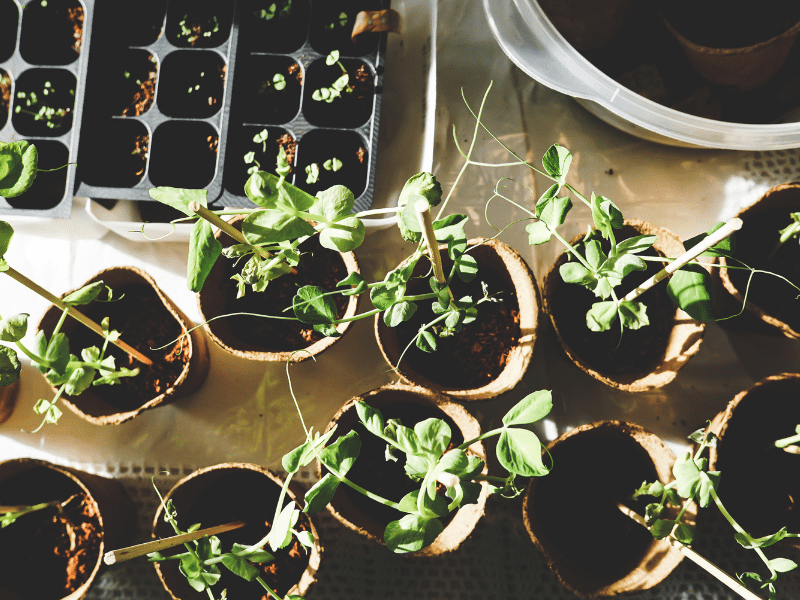
Vegetable Garden Fence Home Depot: Protecting Container Vegetables.
A fence is not always necessary for a small container garden, but it can be useful when animals or pests have access to your plants.
People searching for vegetable garden fence Home Depot may be looking for fencing and protective materials for their vegetable gardens.
Types of Protection for Container Gardens
Depending on the problem, you can consider:
- Small garden fencing
- Wire mesh
- Protective netting
- Plant cages
- Decorative barriers
Why Protect Vegetable Plants?
Young vegetable plants can be particularly vulnerable to animals and insects. Regularly checking leaves and stems can help you identify pest damage before it becomes a serious problem.
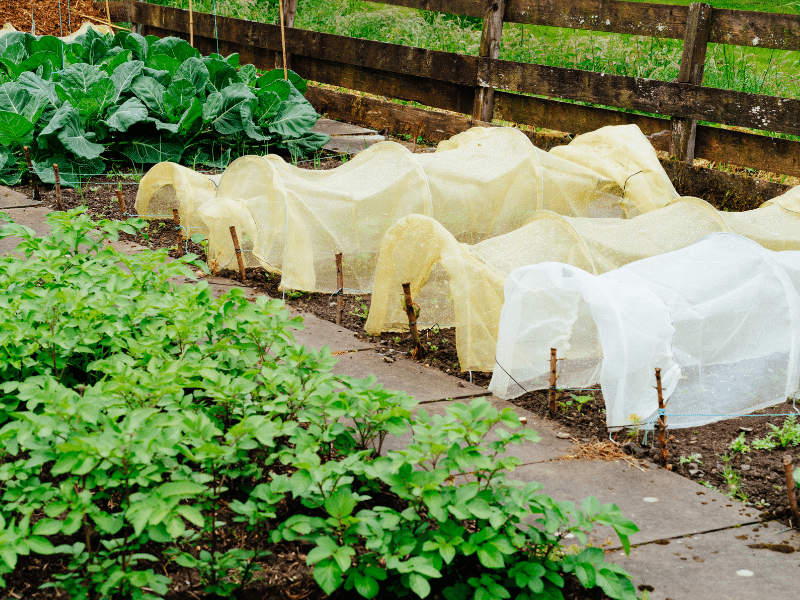
Vegetable Plants for Spring.
Spring is an excellent season for growing many vegetables, although the best planting time depends on your local climate.
Common vegetable plants for spring include lettuce, spinach, radishes, peas, carrots, and other cool-season vegetables.
How to Start a Spring Container Garden
Before planting, consider:
- Local temperature
- Frost conditions
- Available sunlight
- Container size
- Soil condition
- Water requirements
Planting at the appropriate time gives seedlings a better chance of developing strong roots and healthy leaves.
Spring Container Gardening Tip
Do not rush to plant warm-season vegetables when temperatures are still too cold. Check the growing requirements of each vegetable before planting.
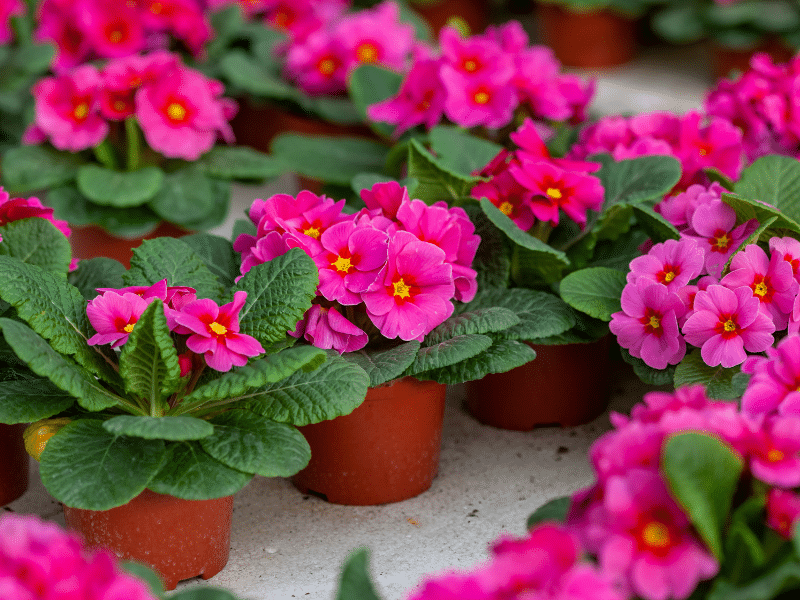
Vegetable Plants for Summer Season.
Summer is suitable for many warm-season vegetables, especially when plants receive enough sunlight and water.
Popular vegetable plants for summer season include tomatoes, peppers, cucumbers, beans, and other warm-season crops.
Caring for Potted Vegetables During Summer
Container plants can dry out more quickly during hot weather because pots contain a limited amount of soil.
To care for vegetables during summer:
- Check soil moisture regularly.
- Water when the soil begins to dry.
- Provide appropriate sunlight.
- Make sure containers have drainage holes.
- Use mulch when appropriate to help retain moisture.
- Protect sensitive plants from extreme heat when necessary.
Avoid Overwatering
Hot weather does not mean plants should be kept constantly wet. Excessive watering can reduce air around the roots and create unhealthy growing conditions.
How to Grow Vegetable Plants in Pots.
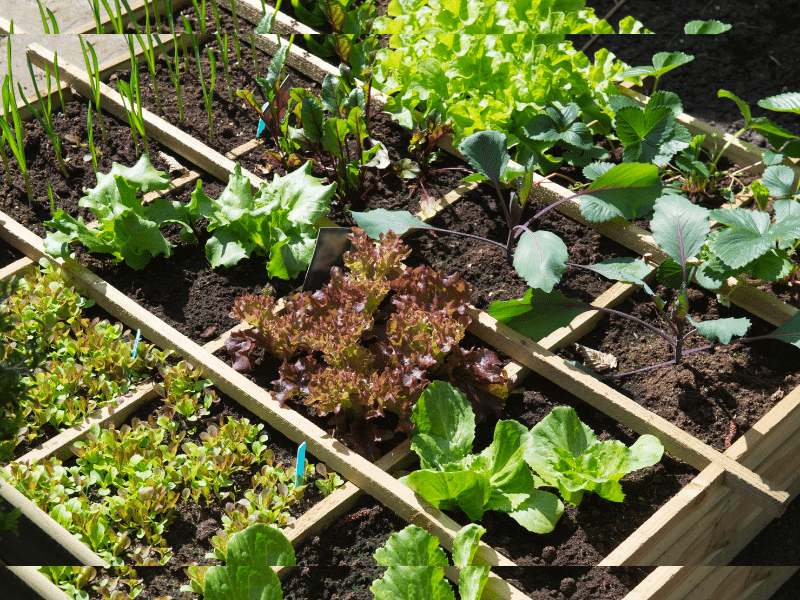
Growing vegetables in containers is simple when you provide the plants with the basic conditions they need.
Step 1 – Choose the Right Pot
Choose a pot based on the mature size and root requirements of the vegetable.
Always check that the container has drainage holes.
Step 2 – Add Quality Soil
Fill the container with an appropriate potting or container mix. Avoid using heavy soil that becomes compacted easily.
Step 3 – Plant Seeds or Seedlings
Plant seeds or seedlings according to their recommended depth and spacing.
Avoid overcrowding because plants need enough room for roots, leaves, air circulation, and sunlight.
Step 4 – Provide Sunlight
Place the pots where they receive the amount of light required by the vegetable.
Fruit-producing vegetables such as tomatoes and peppers generally need plenty of sunlight, while some leafy vegetables can tolerate lower light conditions.
Step 5 – Water Properly
Check the soil before watering rather than following a fixed schedule for every plant.
Watering needs vary according to the vegetable, pot size, temperature, humidity, and weather.
Step 6 – Fertilize When Necessary
Container plants have a limited amount of soil from which to obtain nutrients. Depending on the growing medium and plant, additional fertilizer may be needed during the growing season.
Signs Your Vegetable Plant May Need Attention.
Watch for:
- Yellowing leaves
- Wilting
- Very dry soil
- Slow growth
- Pest damage
- Discolored leaves
Check Plants Regularly.
A few minutes of regular observation can help you notice problems early and adjust watering, sunlight, or plant care before the problem becomes severe.
How to Maintain Vegetable Plants for Pots.
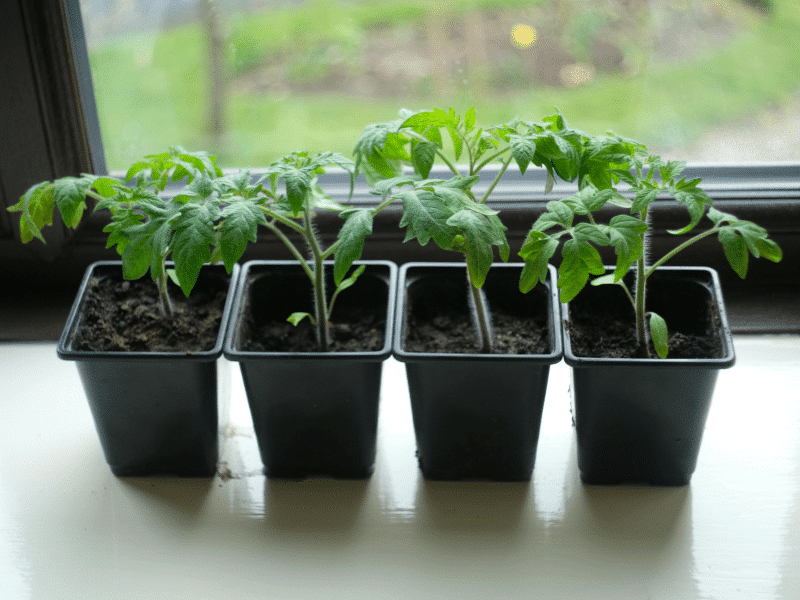
Planting is only the beginning. Regular maintenance helps vegetables remain healthy throughout their growing period.
1.Watering
Check the moisture of the growing medium regularly. Containers can lose moisture quickly, especially during hot and windy weather.
2. Sunlight
Place each vegetable in a location that matches its light requirements.
3.Fertilizing
Container vegetables may require additional nutrients because they have limited access to soil.
Always follow the instructions on the fertilizer product rather than applying excessive amounts.
4.Pest Monitoring
Inspect leaves, stems, and the growing medium regularly for insects or signs of disease.
Early detection makes it easier to manage common gardening problems.
5.Support and Pruning
Tomatoes, cucumbers, and some other vegetables may need stakes, cages, or trellises.
Providing support can keep plants upright and improve air circulation around the foliage.
Vegetable Plants for Sale Near Me.
If you do not want to start vegetables from seeds, you can search for vegetable plants for sale near me at local nurseries, garden centers, farmers’ markets, and seasonal plant sellers.
How to Choose Healthy Vegetable Seedlings.
When buying vegetable seedlings, check for:
- Healthy green leaves
- Strong stems
- No visible insect damage
- No obvious signs of disease
- Healthy roots
- Appropriate size for transplanting
Choose varieties that are suitable for your local growing season and climate.
Tips for Growing Vegetables Successfully in Pots.
1.Choose the Correct Pot Size
Avoid putting large vegetables in very small pots. Give the roots enough room to develop.
2.Make Sure There Is Proper Drainage
Drainage holes are essential because excess water can damage the root system.
3.Choose Vegetables According to Your Space
For balconies and small patios, select compact varieties instead of large spreading plants.
4.Monitor Plants Regularly
Look for changes in leaf color, soil moisture, pests, and overall plant growth.
5.Harvest at the Right Time
Harvest vegetables according to their recommended maturity stage. Regular harvesting can encourage continued production in some crops.
Frequently Asked Questions About Vegetable Plants for Pots
Q.What vegetables grow best in pots?
Tomatoes, peppers, lettuce, spinach, radishes, carrots, beans, cucumbers, and green onions can all be grown in pots when they are provided with suitable container sizes, soil, sunlight, and water.
Q.What is the easiest vegetable to grow in a pot?
Lettuce, radishes, green onions, and spinach are among the easier vegetables for beginners because they generally require less space than larger plants.
Q.Can I grow vegetables in small pots?
Yes. Vegetables such as lettuce, radishes, spinach, and green onions can work well in smaller containers. Always check the mature size and root requirements of the specific variety.
Q.How big should a pot be for vegetable plants?
The ideal pot size depends on the vegetable. Small leafy vegetables can grow in smaller containers, while tomatoes, cucumbers, potatoes, and larger plants generally require larger and deeper pots.
Q.Can vegetable plants grow indoors?
Some vegetables can be grown indoors if they receive sufficient light, have appropriate containers, good drainage, and suitable growing conditions. A sunny window or grow light may be necessary depending on the plant.
Q.How often should I water vegetable plants in pots?
There is no single watering schedule that works for every vegetable. Check the soil moisture regularly and water when the growing medium begins to dry, while avoiding constantly waterlogged soil.
Q.What is the best soil for vegetable plants in pots?
A quality container or potting mix that provides good drainage, moisture retention, aeration, and organic matter is generally a good choice for potted vegetables.
Q.Can tomatoes grow in pots?
Yes. Tomatoes can grow very well in containers when planted in an appropriately sized pot, provided with adequate sunlight, regular watering, quality growing medium, and suitable support.
Final Thoughts.
Growing vegetable plants for pots is a practical way to produce fresh vegetables even when you do not have a traditional garden. With suitable containers, quality soil, adequate sunlight, proper watering, and regular maintenance, many vegetables can thrive in small spaces.
If you are a beginner, start with easy vegetable plants for pots such as lettuce, spinach, radishes, green onions, or peppers. Once you become comfortable with container gardening, you can try tomatoes, cucumbers, beans, carrots, and other vegetables that grow well in pots.
A balcony, patio, terrace, or small outdoor area can become a productive container garden with the right planning and plant selection.