🌿How to Have Plants in Small Space: Easy Ideas for Small Homes and Apartments
Published: 16 Aug 2026
Having plants does not require a large garden or a spacious home. With the right plant varieties, containers, and creative arrangements, you can create a beautiful green space even when you have very little room.
If you are wondering how to have plants in small space, the key is to use your available area efficiently. Windowsills, shelves, walls, corners, hanging planters, and even small tables can become useful places for plants.
Whether you live in an apartment, have a small bedroom, or want to add greenery to a room with limited space, there are many practical ways to enjoy plants without making your home feel crowded.
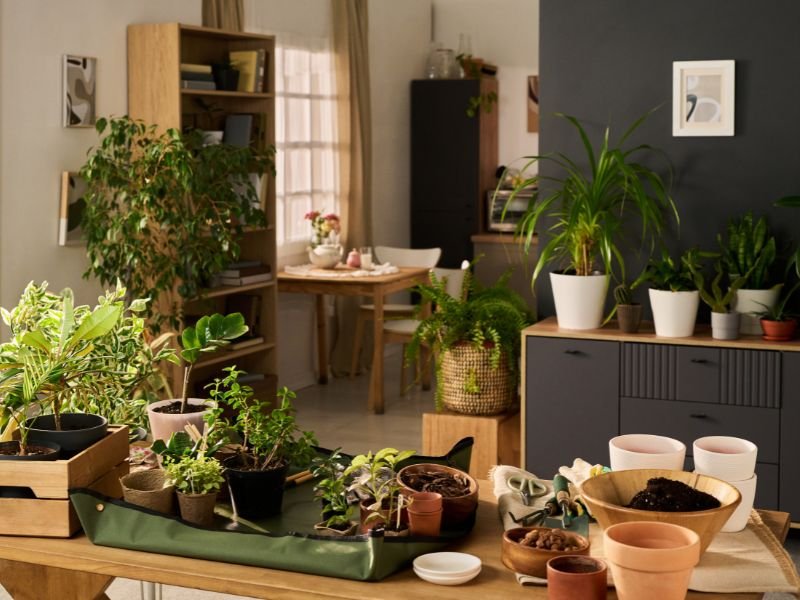
🌱 How to Have Plants in a Small Space at Home
Learning how to have plants in a small space at home starts with understanding that you do not need to use valuable floor space for every plant.
Instead, look at your home vertically as well as horizontally. Shelves, windowsills, hanging planters, and wall-mounted displays can give you additional places to grow and display plants.
🪴 1.Use Vertical Space
Vertical gardening is one of the easiest solutions for small homes. A tall plant shelf can hold several small pots while taking up less floor area than multiple individual plant stands.
You can also use wall-mounted planters or hanging baskets to keep plants off tables and floors.
🌿 2.Choose Compact Plants
Instead of choosing plants that grow very wide, select compact varieties that suit your available space.
Small pothos, spider plants, succulents, snake plants, herbs, and other compact houseplants can be useful choices depending on the light available in your home.
🌱 3.Group Small Plants Together
Rather than spreading small pots throughout the room, group several plants in one carefully arranged area.
This creates a small indoor garden without making the entire room look cluttered.
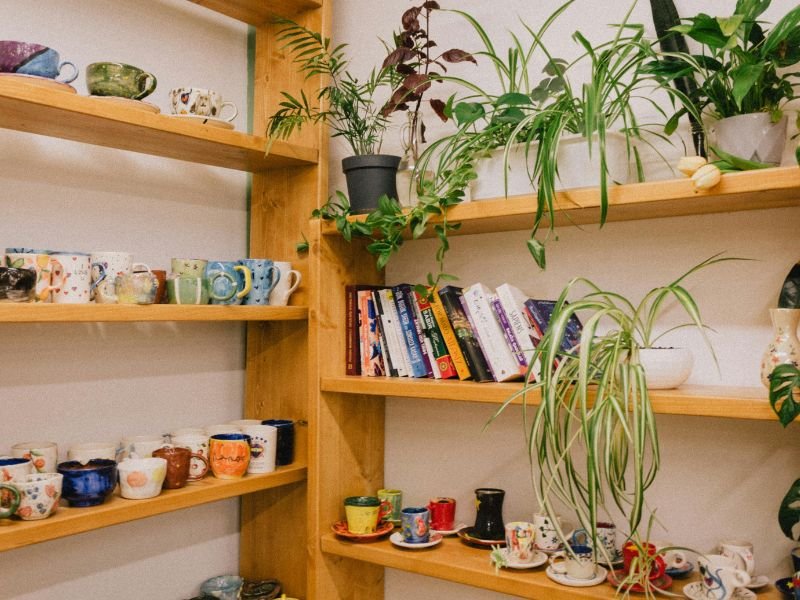
🏡 How to Garden in Small Spaces
How to garden in small spaces is mainly about planning rather than having a large amount of land.
Container gardening, vertical gardening, hanging planters, and window gardening can all help you grow plants when traditional garden beds are not possible.
🌿 1.Try Container Gardening
Containers allow you to grow plants almost anywhere there is enough light and suitable environmental conditions.
You can use:
- Small pots
- Window boxes
- Hanging baskets
- Grow bags
- Decorative containers
- Tiered planters
Make sure containers are suitable for the plant’s mature size and have appropriate drainage.
🪴 2.Create a Vertical Garden
A vertical garden uses upward space instead of spreading plants across the floor.
A simple vertical arrangement can include shelves at different heights, wall planters, or hanging baskets.
🌱Keep Your Garden Organized
When space is limited, organization becomes especially important. Keep plants that require similar light and watering conditions together whenever possible.
This makes plant care easier and prevents your small garden from becoming difficult to manage.
🌿 Start With a Few Plants
If you are new to small-space gardening, do not fill every available area immediately.
Start with a few plants, observe how they grow, and add more gradually when you understand how much space and care they require.
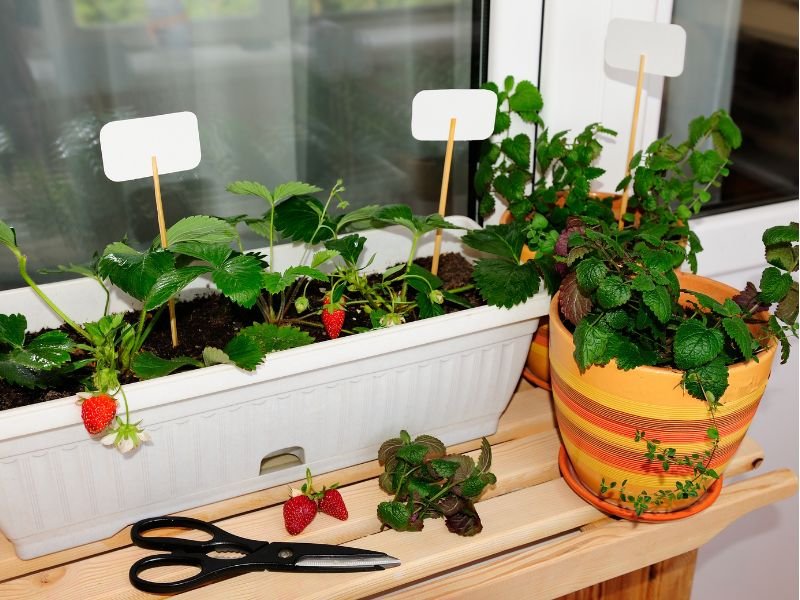
📏 How Much Space Do Plants Need to Grow?
How much space do plants need to grow? There is no single answer because space requirements vary between plant species.
Some plants can grow comfortably in small pots, while others need larger containers and more room for their roots and leaves.
🌱 1.Small Plants
Small houseplants, herbs, succulents, and some leafy greens can often grow in relatively compact containers.
These plants are particularly useful when you are learning how to fit plants in a small space.
🪴 2.Medium-Sized Plants
Plants with larger root systems or spreading foliage need more room. Before buying a plant, check its expected mature size rather than judging it only by its current appearance.
🌿 3.Large Plants
Large indoor plants can quickly take over a small room. If you have limited space, consider whether the plant’s mature height and width will fit your home.
🌱4.Consider Root Space
Plants need enough room for healthy root development. A container that is too small may restrict roots and cause the soil to dry out more quickly.
🌿 Consider Leaf and Branch Space
Plants also need physical room above the soil. Crowded leaves can reduce airflow and make plant maintenance more difficult.
🪟 How to Have Plants in a Room With No Windows
How to have plants in room with no windows can be challenging because plants need light for photosynthesis.
A completely dark room is not suitable for most plants without an artificial light source. If there is no natural light, a suitable grow light can provide supplemental lighting.
💡 1.Use Artificial Grow Lights
Grow lights can provide plants with the light they need when natural sunlight is unavailable.
The right light depends on the type of plant you want to grow. Follow the manufacturer’s instructions and the plant’s specific lighting requirements.
🌿 2.Choose Plants Carefully
Some houseplants tolerate lower-light environments better than others. However, low light does not mean complete darkness.
Plants such as snake plants, pothos, and ZZ plants are commonly considered more tolerant of lower indoor light conditions.
💡 Do Not Put Plants in Complete Darkness
If a room has absolutely no natural light, do not assume that a low-light plant can survive indefinitely without any light.
Instead, consider moving plants periodically to a brighter location or providing suitable artificial lighting.
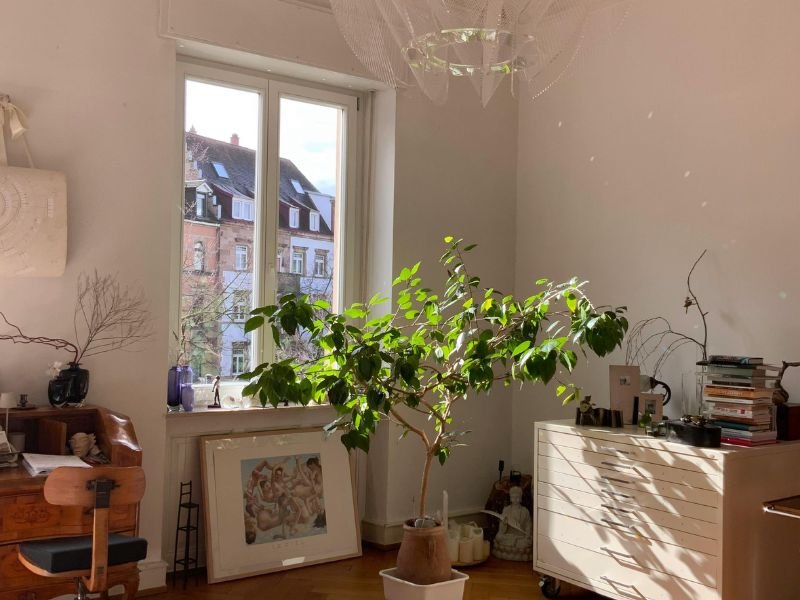
🪴 How to Display Plants in Small Spaces
How to display plants in small spaces is just as important as choosing the right plants.
A good display should use space efficiently while still allowing you to water, clean, and care for each plant.
🌿 1.Use Floating or Wall Shelves
Wall shelves can turn unused wall space into a plant display area.
Place smaller plants on different levels to create visual variety without using much floor space.
🪴 2.Use Hanging Planters
Hanging planters are useful when floor and table space are limited.
They can be placed near suitable windows or other areas where the plants receive appropriate light.
🌱3.Use a Tiered Plant Stand
A tiered stand allows several plants to be displayed vertically.
Place taller plants toward the back and smaller plants toward the front so that each plant remains visible.
🌿 4.Use the Windowsill
A windowsill can be an excellent place for small plants when it receives appropriate light.
Herbs, small succulents, and compact houseplants can work particularly well in this type of space.
🌱 Avoid Overcrowding
A small space can quickly look messy if too many plants are placed together.
Leave enough room between pots for airflow and easy maintenance.
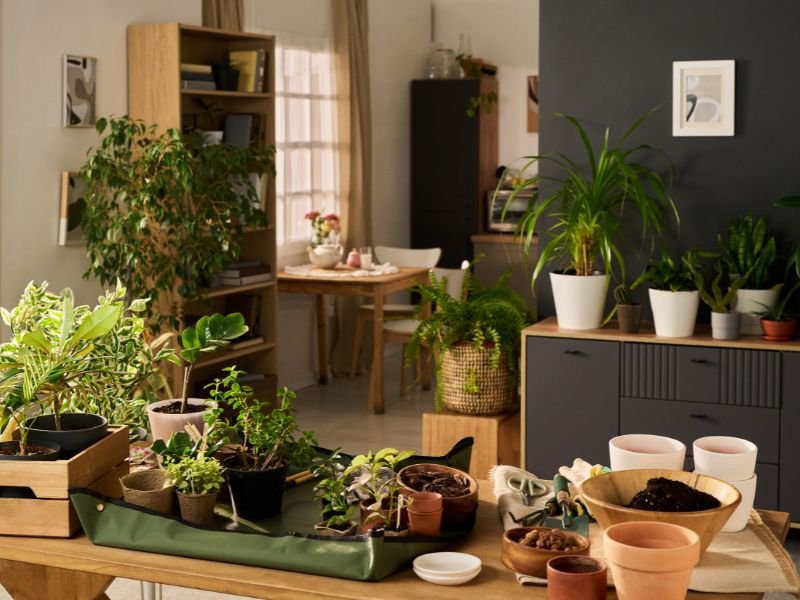
🏢 Where to Put Plants in Small Apartment
Where to put plants in small apartment depends mainly on available light, temperature, and the amount of space.
You do not have to place every plant on the floor. Look for unused areas that can safely support plants.
🪟 1.Windowsills
Windowsills are useful for small plants that require natural light.
However, avoid placing plants directly against very hot or very cold glass if the temperature could stress them.
🪴 2. Shelves
Bookshelves, dedicated plant shelves, and wall-mounted shelves can provide vertical growing and display space.
🌿 3.Kitchen
A bright kitchen can be a convenient location for herbs such as basil, mint, parsley, or chives, provided the lighting and temperature are suitable.
🛋️ 4.Living Room Corners
An empty corner can accommodate a small plant stand or one larger plant.
Choose a plant whose mature size matches the available area.
🛏️ 5.Bedroom
A few suitable plants can be placed on a bedside table, shelf, or windowsill if the room provides appropriate conditions.
🌱 Use Unused Areas
Look around your apartment for spaces that are currently unused, such as the top of a cabinet, an empty shelf, or a bright windowsill.
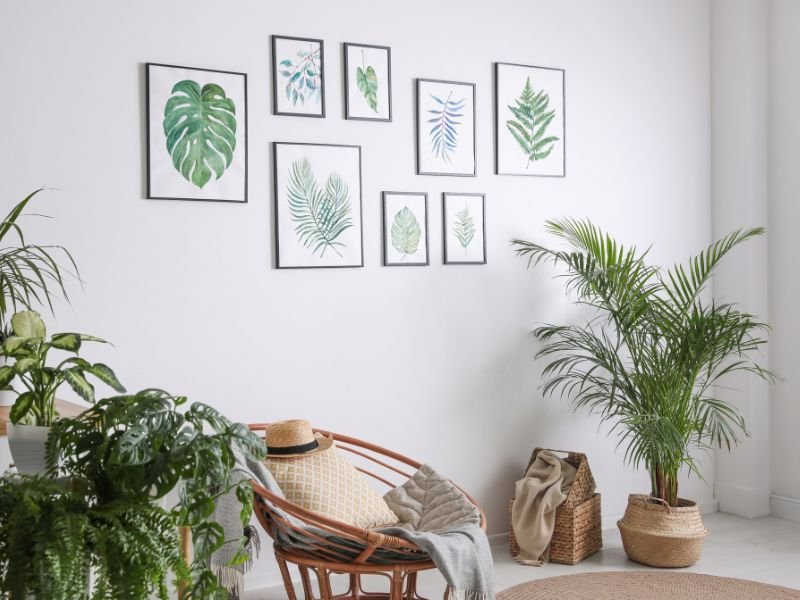
🏠 How to Have Plants in a Small Apartment
How to have plants in a small apartment becomes much easier when you choose plants according to your actual space instead of trying to fit large plants into small areas.
🌿 1.Choose Multi-Level Plant Displays
Use different heights to create a fuller garden without requiring a large floor area.
For example, combine a tall plant stand with a few shelf plants and hanging planters.
🪴 2.Choose Compact Varieties
Look for plants that remain manageable in size.
Compact varieties allow you to enjoy greenery while leaving enough room for movement and furniture.
🌱 3.Use Hanging Plants
Hanging plants can make use of overhead space and add greenery without occupying valuable floor or table space.
🌿 Keep Maintenance Practical
Do not place plants somewhere that makes watering, pruning, or cleaning difficult.
A beautiful plant arrangement is only useful if you can easily care for the plants.
🛏️ How to Have Plants in a Small Room
If you are wondering how to have plants in a small room, start by identifying the areas that receive suitable light.
A small room does not need dozens of plants. Even three or four carefully placed plants can create a noticeable difference.
🌱 1.Use Corners
A plant stand can turn an empty corner into a green focal point.
🌿 2.Use Shelves
Small plants can be arranged on existing shelves without taking up additional floor space.
🪴 3.Choose Plants of Different Heights
Combining plants with different heights can make a small collection look more interesting.
🌱 Avoid Blocking Walkways
Keep plants away from narrow walking areas and doors where they may be knocked over.
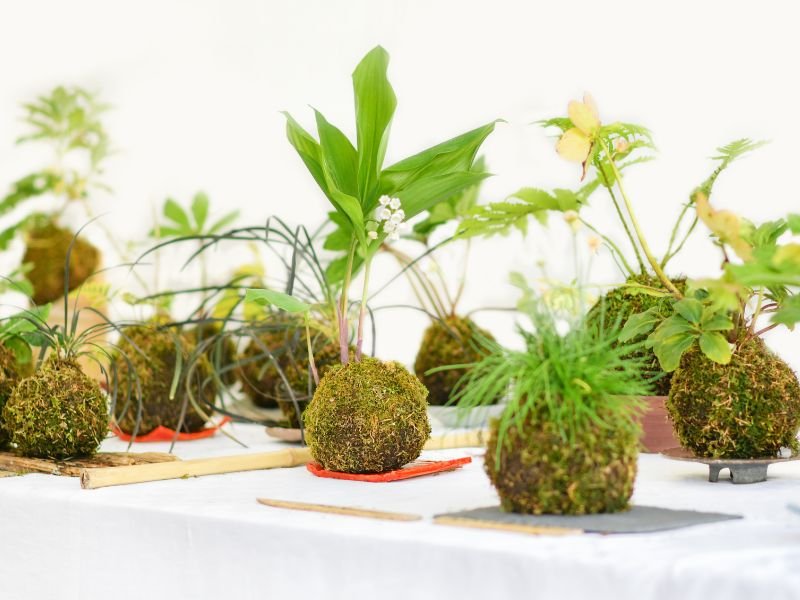
🛏️ How to Have Plants in a Small Bedroom
Learning how to have plants in a small bedroom starts with selecting plants that fit the available space and lighting conditions.
A windowsill, bedside table, wall shelf, or small plant stand can provide enough space for a few carefully selected plants.
🌿 1.Keep Plants Away From Clutter
Avoid placing too many pots on your bedside table or desk.
A simple arrangement can make the room look more organized.
🪴 2.Choose Low-Maintenance Plants
If you have limited time for plant care, choose plants whose care requirements fit your routine.
🌱 Think About Accessibility
Place plants where you can easily check their soil, water them, and remove damaged leaves.
🌿 How to Have Plants in Small Spaces Indoors
There are many creative ways to have plants in small spaces indoors without making your home feel crowded.
🪴 1.Make Use of Vertical Space
Use shelves, hanging baskets, and wall-mounted planters to move plants upward instead of outward.
🌱 2.Use Small Containers
Small pots can be arranged on shelves and windowsills where larger containers would not fit.
🌿 3.Combine Plants With Home Decor
Plants can be integrated into existing furniture and décor instead of creating a separate gardening area.
For example, a small plant can sit on a bookshelf or a decorative shelf.
🌱 How to Grow Plants in a Small Space
How to grow plants in a small space requires careful selection of plants, containers, and growing locations.
🪴 1.Choose the Right Container
Container size should match the plant’s root and growth requirements.
💧 2.Provide Proper Drainage
Containers should allow excess water to escape. Poor drainage can create unhealthy conditions for roots.
☀️ 3.Provide Suitable Light
Place plants where they receive the amount of light they need.
If natural light is insufficient, supplemental lighting may be useful.
🌿 4.Give Plants Enough Room
Even when growing many plants in a small area, avoid overcrowding.
Each plant needs enough room for healthy growth and maintenance.
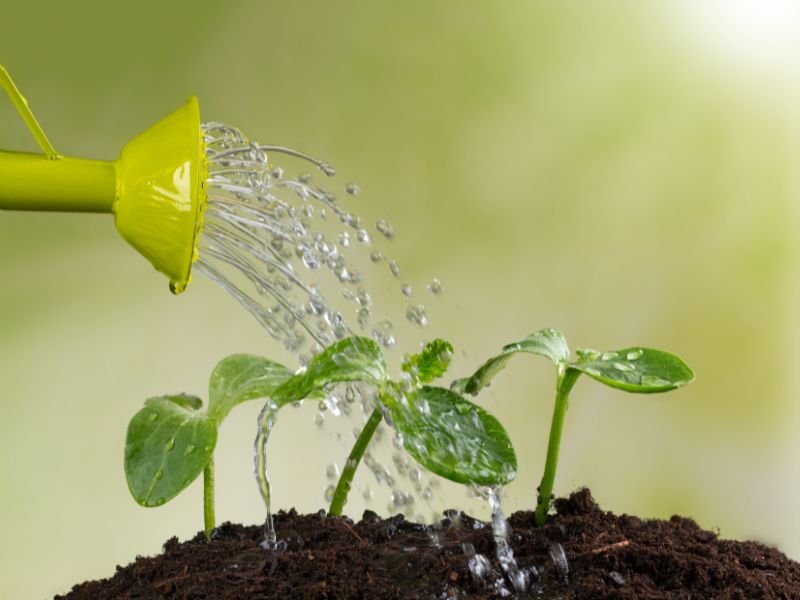
🪴 How to Keep Plants in a Small Space
How to keep plants in a small space successfully depends on organization and regular maintenance.
🌿 1.Group Plants According to Their Needs
Keep plants with similar light and watering requirements together when practical.
This can simplify your care routine.
🪴 2.Rotate Plants When Necessary
If plants are growing near a window, rotating their position can help different sides receive light, depending on the plant.
🌱 3,Prune When Appropriate
Some plants benefit from occasional pruning to control their size and maintain their shape.
Always research the pruning requirements of the specific plant.
📐 How to Fit Plants in a Small Space
If you are trying to understand how to fit plants in a small space, think vertically before adding more furniture or larger containers.
🌿 1.Use Vertical Shelving
Tall shelving can hold several small plants while using only a small amount of floor space.
🪴 2,Use Hanging Baskets
Hanging baskets make use of overhead space and can be particularly helpful in small rooms.
🌱 3.Choose Multi-Purpose Furniture
A plant stand can sometimes double as a decorative display area, helping you avoid adding unnecessary furniture.
🌿 Leave Space for Plant Growth
Do not plan your arrangement based only on the current size of your plants.
Remember that many plants grow larger over time.
🌱 How to Arrange Plants in a Small Space
How to arrange plants in a small space depends on plant size, light requirements, and the visual balance of the room.
🪴 1.Place Tall Plants at the Back
When using shelves or tiered stands, place taller plants toward the back and smaller plants toward the front.
🌿 2.Create Different Heights
Use plant stands, shelves, and hanging containers to create multiple levels.
🌱 3.Keep Similar Plants Together
Grouping plants with similar environmental requirements can make maintenance easier.
🪴 Avoid a Crowded Appearance
A successful small-space garden should feel organized rather than packed.
Leave enough empty space around plants so each one can be seen and maintained.
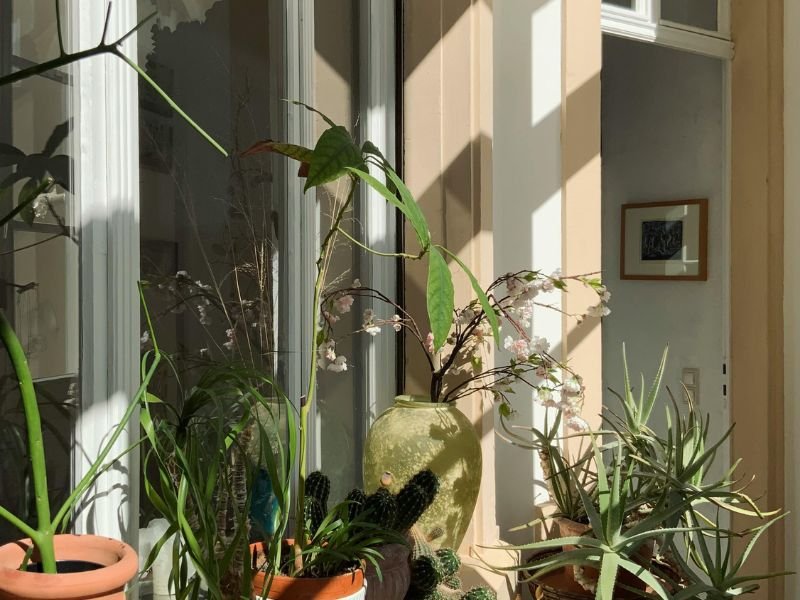
🏡 How to Create a Small Space Indoor Garden
If you want to know how to create a small space indoor garden, start by choosing one dedicated area instead of spreading plants throughout the home.
🌿 Step 1 – Assess Your Space
Look at available floor space, shelves, windowsills, walls, and natural light.
🪴 Step 2 – Choose Suitable Plants
Select plants according to your available light and the amount of care you can provide.
🌱 Step 3 – Choose Containers
Use containers that are appropriate for each plant and provide suitable drainage.
☀️ Step 4 – Plan the Light
Place plants according to their light requirements instead of simply arranging them for appearance.
💧 Step 5 – Create a Care Routine
Check plants regularly for soil moisture, pests, damaged leaves, and changes in growth.
🌿 Keep Expanding Gradually
Once your first plants are healthy and you understand their needs, you can slowly add more.
🌱 Let Your Space Guide Your Garden
The goal is not to have as many plants as possible. The goal is to create a healthy and attractive garden that works comfortably within your available space.
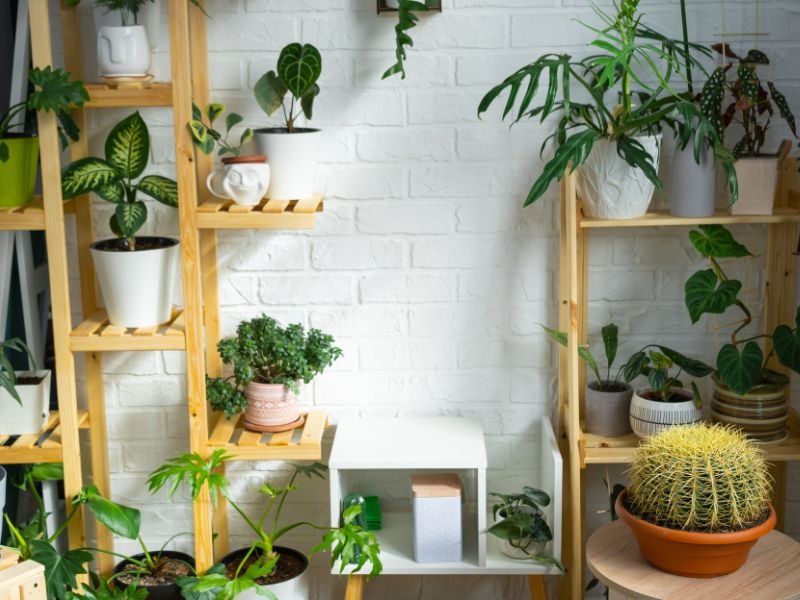
🌿 Common Mistakes to Avoid When Growing Plants in Small Spaces
💧 1.Overwatering
Limited container space can make overwatering particularly problematic. Always check the soil and the plant’s requirements before watering.
🪴 2.Choosing Plants That Become Too Large
A plant may look small when you purchase it but become much larger as it matures.
Research its mature size before bringing it home.
☀️ 3.Ignoring Light Requirements
Do not place every plant in the same location. Different plants have different light requirements.
🌱 4.Overcrowding
Too many plants can reduce airflow and make watering, pruning, and cleaning difficult.
🌿 Forgetting Future Growth
Always leave some room for your plants to grow. A good small-space garden should be planned for the future, not just for how the plants look today.
❓ Frequently Asked Questions About Plants in Small Spaces
🌱 Q.How can I have plants in a small space?
Use vertical shelves, hanging planters, windowsills, wall-mounted planters, and compact containers. Choose plants according to the available light and their mature size.
🪴 Q.How much space do plants need to grow?
The amount of space depends on the plant species. Small houseplants may need only a compact container, while larger plants require more root and foliage space.
🪟 Q.Can I have plants in a room with no windows?
Yes, but plants still need light. If there is no natural light, suitable artificial grow lights can provide the light required by many plants.
🌿 Q.What are the best plants for small spaces?
Compact houseplants, herbs, succulents, snake plants, pothos, spider plants, and other plants with manageable mature sizes can be suitable depending on the available light.
🪴 Q.How do I display plants in a small apartment?
Use windowsills, shelves, hanging planters, vertical plant stands, and wall-mounted displays to use vertical and unused areas.
🌱 Q.Can I grow vegetables in a small space?
Yes. Herbs, leafy greens, microgreens, radishes, green onions, and some compact vegetable varieties can be suitable for small-space gardening when provided with appropriate light and containers.
🌿 Q.How do I arrange many plants in a small room?
Use different heights and vertical displays. Place larger plants lower or toward the back and smaller plants on shelves or elevated surfaces.
🏡 Q.How can I create an indoor garden in a small apartment?
Start with one dedicated area and use compact plants, shelves, hanging planters, and suitable containers. Choose plants according to your apartment’s available light.
🌱 Final Thoughts
Learning how to have plants in small space does not require complicated gardening techniques. The most important thing is to make smart use of the space you already have.
Use vertical areas, windowsills, shelves, hanging planters, and compact containers to create more room for greenery. Choose plants according to their mature size, light requirements, and care needs.
Whether you live in a small apartment, bedroom, or home with limited gardening space, you can create a beautiful indoor garden without overcrowding your living area. Start small, care for your plants consistently, and gradually build a green space that fits your home and lifestyle.