Indoor Plants Problems and Solutions – Complete Guide to Save Your Dying Plants
Published: 18 Jul 2026
Indoor plants make our homes more beautiful, fresh, and peaceful. They add natural beauty to our living spaces and create a relaxing environment. However, keeping indoor plants healthy is not always easy. Many plant lovers face different challenges and often ask, “Why are my indoor plants dying even with proper care?”
Sometimes plants start showing signs of stress, such as yellow leaves, slow growth, falling leaves, pests, or weak roots. These problems can happen because of improper watering, lack of sunlight, poor soil, or environmental changes.
The good news is that most indoor plant problems can be solved with proper knowledge and care. In this guide, we will discuss the most common indoor plants problems and solutions and learn how to revive dying plants step by step.
Why Are My Indoor Plants Dying?
Many people become worried when their healthy-looking plants suddenly start becoming weak. If you are thinking “why are my indoor plants dying?”, the reason may be hidden in your plant’s daily care routine.
Indoor plants depend on the right balance of water, sunlight, temperature, and nutrients. Even a small mistake can affect their health.
Common Reasons Why Indoor Plants Die
1.Overwatering
Overwatering is one of the most common reasons behind indoor plant death. Many beginners think that more water means healthier plants, but excessive water can damage plant roots.
When soil stays wet for a long time, roots cannot receive enough oxygen. This can lead to root problems and fungal growth.
2.Lack of Proper Sunlight
Plants need light to prepare food and grow properly. Some indoor plants can survive in low light, but complete darkness can make them weak.
Signs of insufficient light include:
- Pale leaves
- Slow growth
- Weak stems
- Leaves falling off
3.Poor Drainage
If your plant pot does not have proper drainage, extra water remains in the soil. This creates a perfect condition for root rot and other diseases.
Always choose pots with drainage holes and use well-draining soil.
4. Sudden Temperature Changes
Indoor plants can become stressed when exposed to extreme temperatures. Keeping plants near heaters, air conditioners, or cold windows can negatively affect their growth.
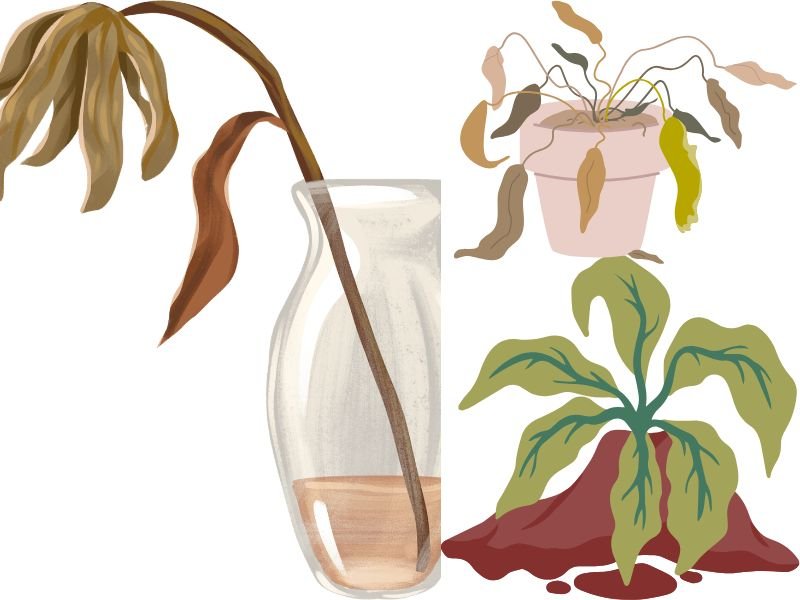
Common Indoor Plant Problems and How to Fix Them
Understanding plant problems early can help you save your plants before they become seriously damaged.
Some of the most common indoor plant problems include:
- Yellow leaves
- Falling leaves
- Overwatering
- Root rot
- Pest attacks
- Slow growth
- Fungal diseases
Learning the causes and solutions of these problems makes indoor gardening easier and more successful.
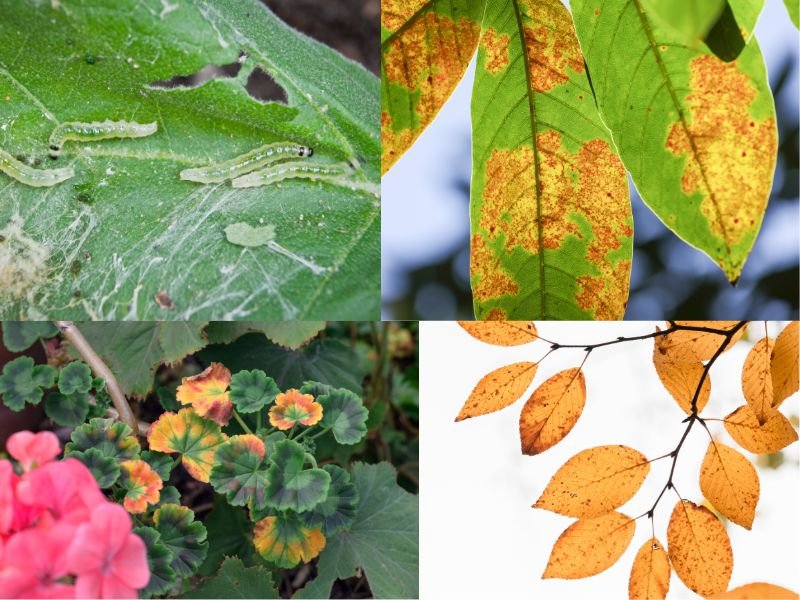
Indoor Plant Leaves Turning Yellow and Falling Off
One of the most common signs of plant stress is indoor plant leaves turning yellow and falling off.
Yellow leaves do not always mean that your plant is dying. Sometimes old leaves naturally turn yellow and fall. However, if many leaves become yellow suddenly, your plant may need attention.
Causes of Yellow Leaves
1.Overwatering
Too much water prevents roots from absorbing nutrients properly. As a result, leaves become yellow and soft.
2.Lack of Sunlight
Plants need enough light to maintain their green color. A plant kept in a dark place for too long may develop pale or yellow leaves.
3.Nutrient Deficiency
Plants need essential nutrients for healthy growth. A lack of nitrogen and other minerals can affect leaf color.
How to Fix Yellow Leaves
You can solve this problem by:
- Checking soil moisture before watering
- Moving the plant to a brighter location
- Removing damaged leaves
- Adding fertilizer when required
- Using healthy soil
Proper observation and care can help your plant recover.
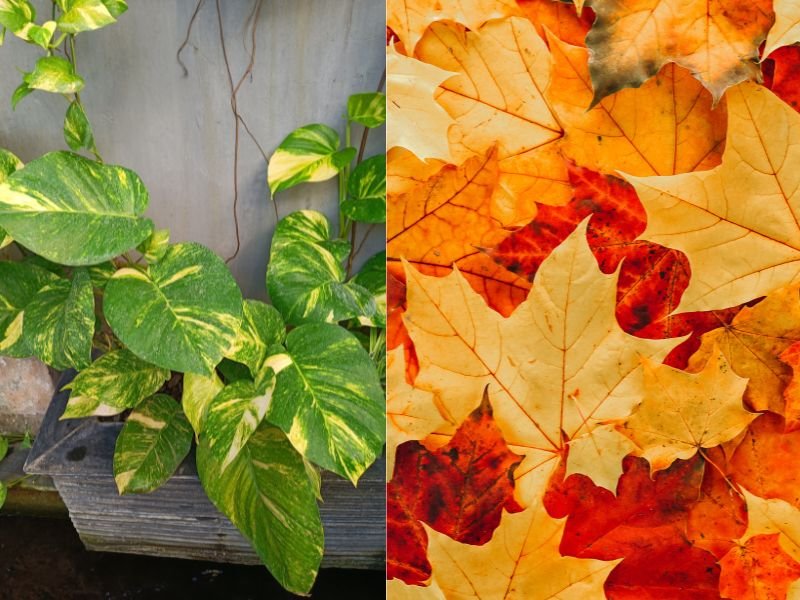
Signs of Overwatering Indoor Plants and How to Fix It
Water is important for plant growth, but too much water can become harmful. Understanding the signs of overwatering indoor plants and how to fix it can help you protect your plants.
Signs of Overwatering
Common signs include:
1.Yellow and Soft Leaves
When plants receive too much water, their leaves may become yellow and weak.
2.Wet Soil for Many Days
Healthy soil should dry slightly between watering. Constantly wet soil can damage roots.
3.Bad Smell From Soil
A bad smell usually indicates fungal growth or root problems.
4.Slow Growth
Overwatered plants often stop growing because damaged roots cannot absorb nutrients properly.
How to Revive Overwatered Indoor Plants at Home
If you want to know how to revive overwatered indoor plants at home, follow these simple steps:
Step 1: Remove Extra Water
Empty the water collected in the pot tray and allow the soil to dry.
Step 2: Check the Roots
Carefully remove the plant from the pot and check the roots. Healthy roots are usually firm and light-colored.
Step 3: Remove Damaged Roots
Cut away black, soft, or rotten roots with clean scissors.
Step 4: Repot the Plant
Place your plant in fresh soil with proper drainage.
Step 5: Adjust Your Watering Routine
Only water when the top layer of soil feels dry.
How to Fix Root Rot in Indoor Plants Naturally
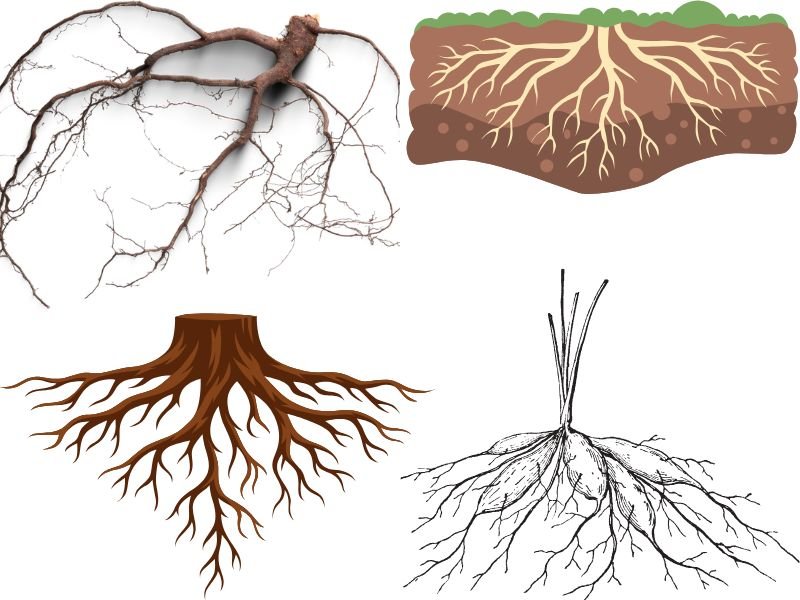
Root rot is one of the most serious indoor plant problems. It happens when roots stay wet for a long time and start to decay.
If you want to learn how to fix root rot in indoor plants naturally, follow the correct steps.
Signs of Root Rot
Black or brown roots
Soft roots
Bad smell from soil
Yellow leaves
Weak plant growth
Natural Treatment for Root Rot
1.Remove Rotten Roots
Take the plant out of the soil and remove damaged roots carefully.
2.Clean the Roots
Wash the healthy roots gently to remove old soil.
3.Use Fresh Soil
Repot your plant in fresh, well-draining soil.
4.Improve Drainage
Make sure your pot has enough drainage holes.
Taking quick action can help save your plant from permanent damage.
Can Plants Get Diseases? Common Indoor Plant Diseases and Solutions
Many people think that only outdoor plants can get diseases, but this is not true. Can plants get diseases? Yes, indoor plants can also suffer from different diseases caused by fungi, bacteria, or poor growing conditions.
Indoor plants usually stay in a controlled environment, but problems like overwatering, poor air circulation, and dirty tools can increase the risk of diseases.
Common Indoor Plant Diseases
1.Fungal Diseases
Fungal infections are common in indoor plants, especially when soil remains wet for a long time.
Symptoms include:
- White powder on leaves
- Black spots on leaves
- Mold growth on soil
Solution:
- Avoid overwatering
- Improve air circulation
- Remove infected leaves
- Use safe fungicides when necessary
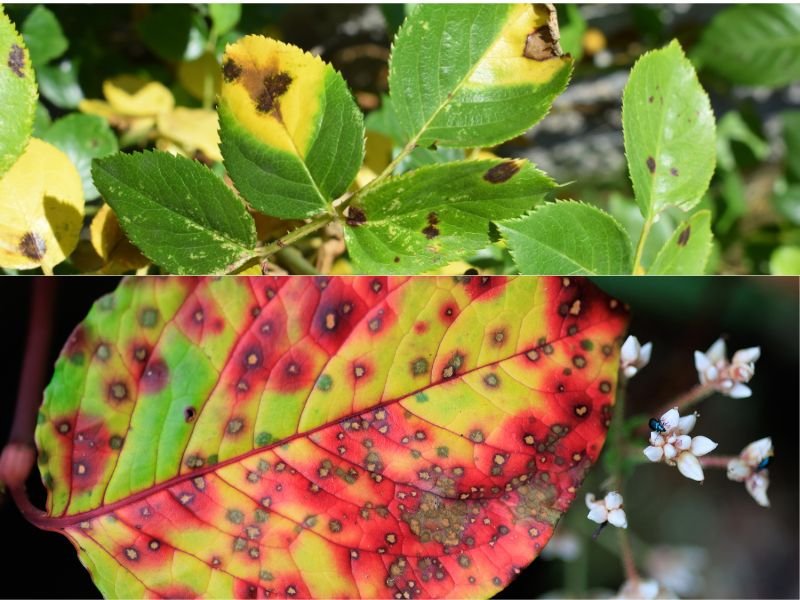
2.Leaf Spot Disease
Leaf spot appears as small brown or black spots on leaves.
How to fix it:
- Remove affected leaves
- Keep leaves dry
- Avoid overcrowding plants
3.Root Diseases
Root diseases usually happen because of excessive moisture and poor drainage.
Solution:
- Use fresh soil
- Improve drainage
- Follow a proper watering schedule
Indoor Plant Pests Identification and Treatment Guide
Apart from diseases, pests are another common reason why indoor plants become unhealthy. Small insects can damage leaves, stems, and roots if they are not treated on time.
Following an indoor plant pests identification and treatment guide can help you protect your plants.
Common Indoor Plant Pests
Spider Mites
Spider mites are tiny insects that create small webs and damage plant leaves.
1.Signs:
- Yellow spots on leaves
- Small webs
- Weak plant growth
2.Aphids
Aphids are small insects that suck plant nutrients.
Signs:
- Curled leaves
- Sticky substance on leaves
- Slow growth
3.Mealybugs
Mealybugs appear as white cotton-like spots on plants.
Signs:
- White patches on stems
- Yellow leaves
- Weak growth
How to Treat Indoor Plant Pests
You can control pests by:
- Cleaning leaves regularly
- Removing infected parts
- Using neem oil spray
- Applying safe indoor plants pesticides
- Keeping infected plants separate from healthy plants
Early treatment prevents pests from spreading.

Why Indoor Plants Die in Winter and How to Prevent It
Winter can be challenging for indoor plants because their growing conditions change. Many plant owners wonder why indoor plants die in winter and how to prevent it.
During winter, plants usually grow slower and need different care.
Reasons Indoor Plants Die in Winter
1.Less Sunlight
Winter days are shorter, so plants receive less natural light.
Cold Temperature
Cold air can damage sensitive plants.
Dry Indoor Air
Heating systems can make indoor air dry, affecting plant leaves.
How to Protect Indoor Plants in Winter
Follow these tips:
- Place plants near a bright window
- Avoid keeping plants near cold drafts
- Reduce watering frequency
- Maintain a stable room temperature
- Clean leaves to improve light absorption
Proper winter care helps plants survive and stay healthy.
How to Save a Dying Indoor Plant Step by Step
Seeing your favorite plant becoming weak can be frustrating, but many plants can recover with proper care. Learning how to save a dying indoor plant step by step can help you bring your plant back to life.
Step 1: Identify the Problem
First, check what is wrong with your plant.
Ask yourself:
- Is the soil too wet or too dry?
- Are the leaves changing color?
- Are there insects on the plant?
- Is the plant receiving enough light?
Step 2: Remove Damaged Parts
Cut away:
- Yellow leaves
- Dead branches
- Rotten roots
Removing damaged parts helps the plant focus its energy on healthy growth.
Step 3: Improve Growing Conditions
Make sure your plant has:
- Proper sunlight
- Good-quality soil
- Correct watering routine
- Suitable temperature
Step 4: Give Time to Recover
Plants need time to heal. Avoid making too many changes at once. With patience and proper care, many dying plants can become healthy again.

Disadvantages of Indoor Plants You Should Know
Indoor plants provide many benefits, but there are also some disadvantages of indoor plants that every plant owner should understand.
Common Disadvantages
1.Require Regular Maintenance
Indoor plants need regular watering, cleaning, and care.
2.Can Attract Pests
Some plants may attract insects if they are not maintained properly.
3.Risk of Mold Growth
Overwatering can increase humidity and cause mold problems.
4.Some Plants Can Be Harmful to Pets
Certain indoor plants may be toxic for cats and dogs.
Understanding these disadvantages helps you choose the right plants and care for them properly.

Problems with Growing Plants in Space
Growing plants outside Earth is a completely different challenge. Scientists study problems with growing plants in space to understand how plants survive in unusual environments.
Challenges of Growing Plants in Space
1.Lack of Gravity
Plants normally grow with the help of gravity, but space has a different environment.
2.Limited Water Management
Providing the right amount of water without gravity is difficult.
3.Artificial Lighting
Plants need special lights because natural sunlight is not available in spacecraft.
Studying plant growth in space helps scientists develop better methods for future space farming.

Easy Indoor Plant Care Tips to Prevent Plant Death
Prevention is always better than trying to save a dying plant. Following simple habits can keep your indoor plants healthy for a long time.
Best Care Tips for Healthy Indoor Plants
1.Water Properly
Avoid watering plants on a fixed schedule. Check the soil first.
2.Provide Enough Light
Understand your plant’s light requirements.
3.Use Good Soil
Healthy soil supports strong roots and better growth.
4.Check Plants for Problems
Inspect your plants regularly for pests or diseases.
These easy indoor plant care tips to prevent plant death will help you maintain a beautiful indoor garden.
Final Thoughts
Taking care of indoor plants becomes easier when you understand their needs. Problems like yellow leaves, pests, diseases, and overwatering may seem difficult, but they can be solved with proper knowledge and attention.
If you ever ask yourself “why are my indoor plants dying?”, remember that every problem has a solution. By following the right watering routine, providing suitable light, and checking plants regularly, you can keep your indoor garden healthy and beautiful.
With patience and consistent care, your plants can grow stronger and continue adding freshness and beauty to your home.
Indoor Gardening for Beginners Step by Step: A Complete Guide to Growing Plants Indoors